Using Room Dividers to Carve Out Your Personal Sanctuary
This post might include some affiliate recommendations. As an Amazon associate, I earn from qualifying purchases, but don’t worry, it comes at no extra cost to you.
This post is all about Using room dividers to carve out your personal Sanctuary.
Our homes have become everything all at once and if you’re living in a small space or sharing with flatmates then creating your own little sanctuary can feel absolutely impossible. One creative solution you might consider is using room dividers, even in a busy or crowded home.
Here’s the thing, You can use Room dividers and it doesn’t have to cost the earth or require a complete home renovation. I’m talking about simple budget friendly ways to transform your space from “stressed out” to “blissed out” without breaking the bank.

Why Entry Dividers Are Your Secret Weapon for Sanity
When you walk through your front door after a long day, you need that mental shift from “work mode” to “relax mode” however, when your hall way opens straight into your living space there’s no buffer zone. No decompression chamber, if you will.
That’s where entry dividers come in proper handy. They seem to create a visual and psychological boundary that tells your brain: “Right, you’re home now luv. Time to switch off.”
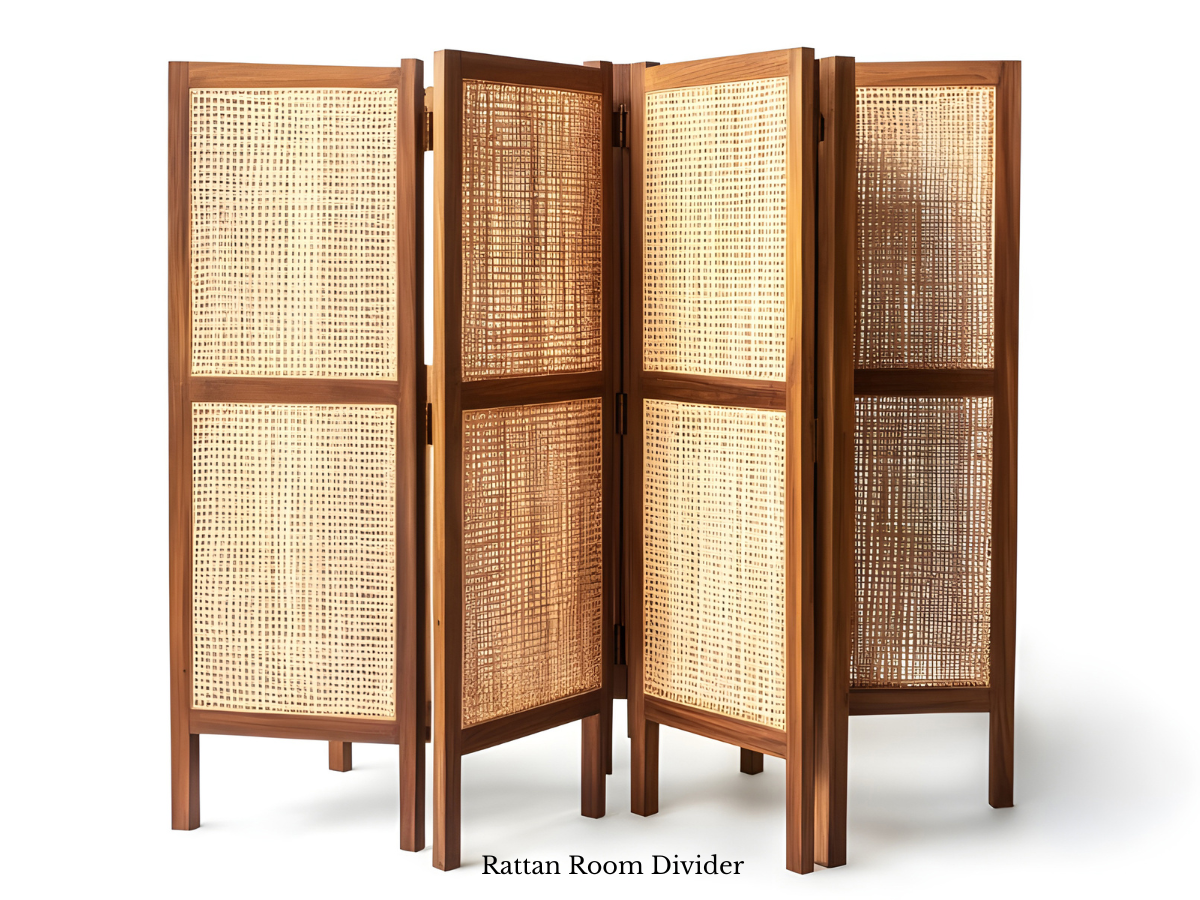
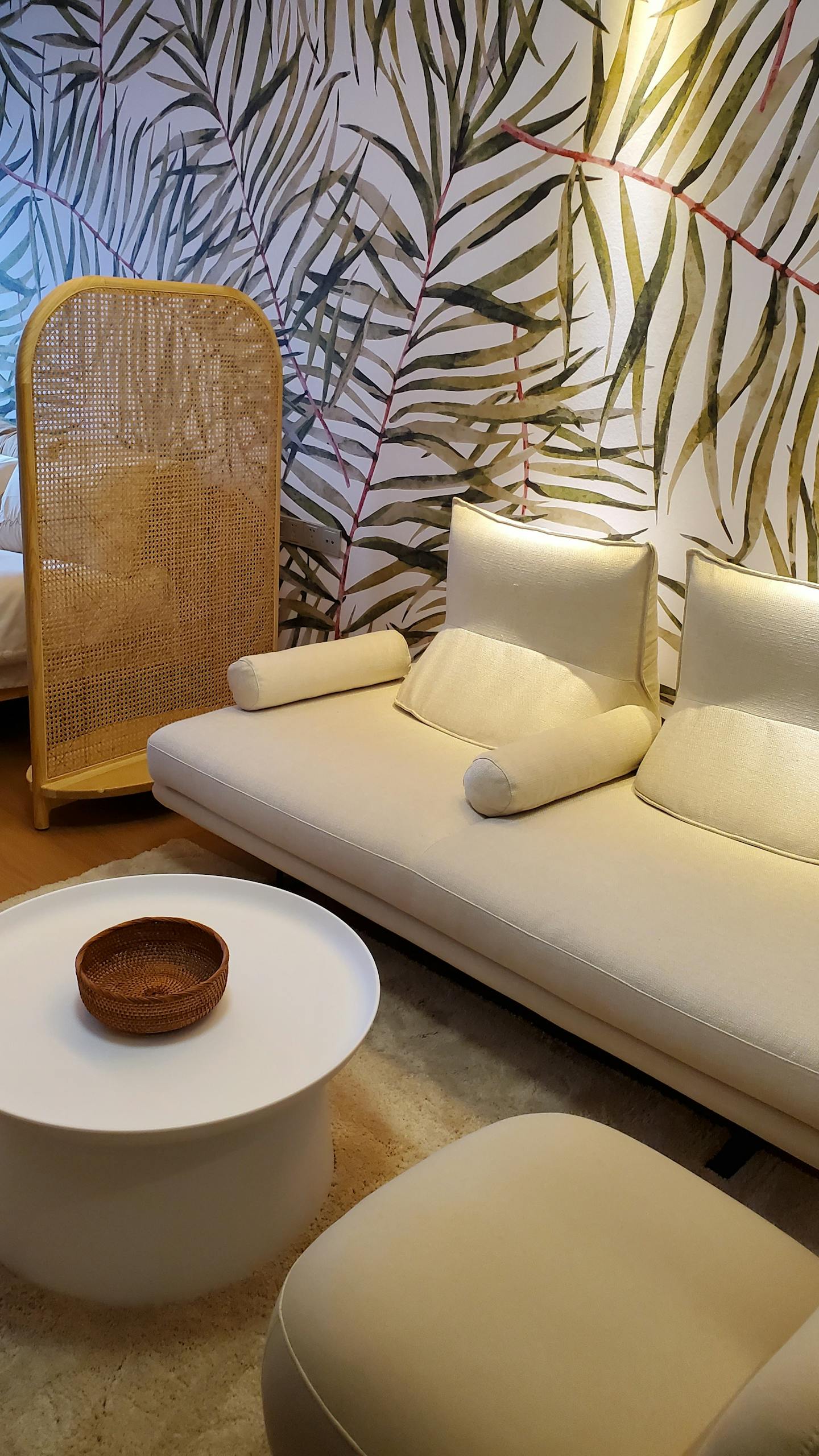
I remember the first time I added a simple 3 panel Wicker room divider in my front hallway. Honestly, the difference it made! Suddenly my home felt more like a boutique hotel and less like a railway station. The hallway became its own little space rather than just a corridor people rushed through.

The Psychology Behind Physical Separation
There’s actual science behind this you know. Our brains respond to environmental cues and when we create distinct zones in our homes, we’re basically training ourselves to behave differently in each space. A foyer area separated by a divider signals “transition time” a moment to shake off the outside world before stepping into your personal haven.
Entry Divider Ideas for Every Space and Budget
Now then, let’s talk about the fun bit, the actual divider ideas that’ll transform your space without emptying your wallet. I’ve tried quite a few of these over the years and some worked a treat while others… well, let’s just say they were learning experiences!
Freestanding Dividers: The Flexible Solution
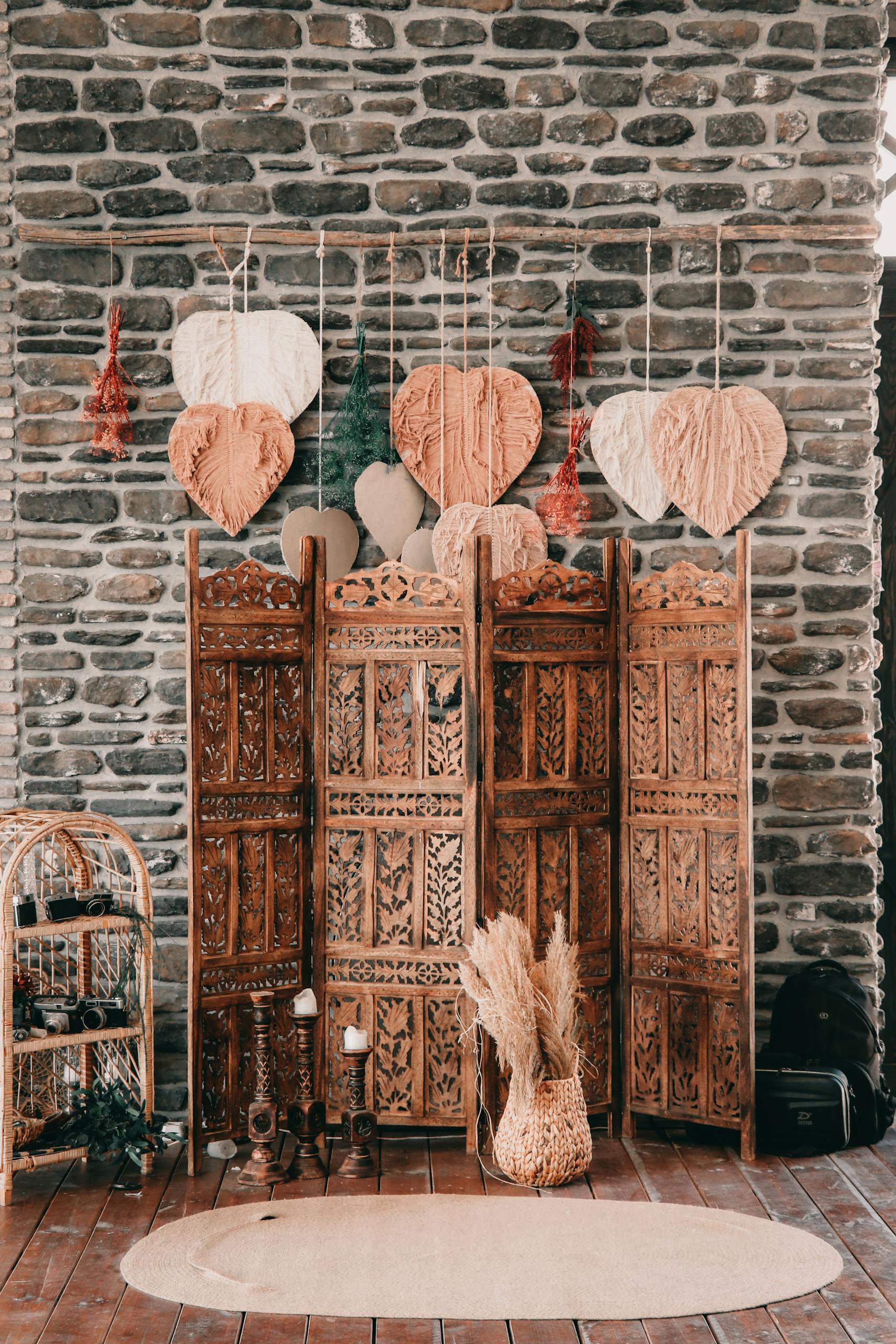
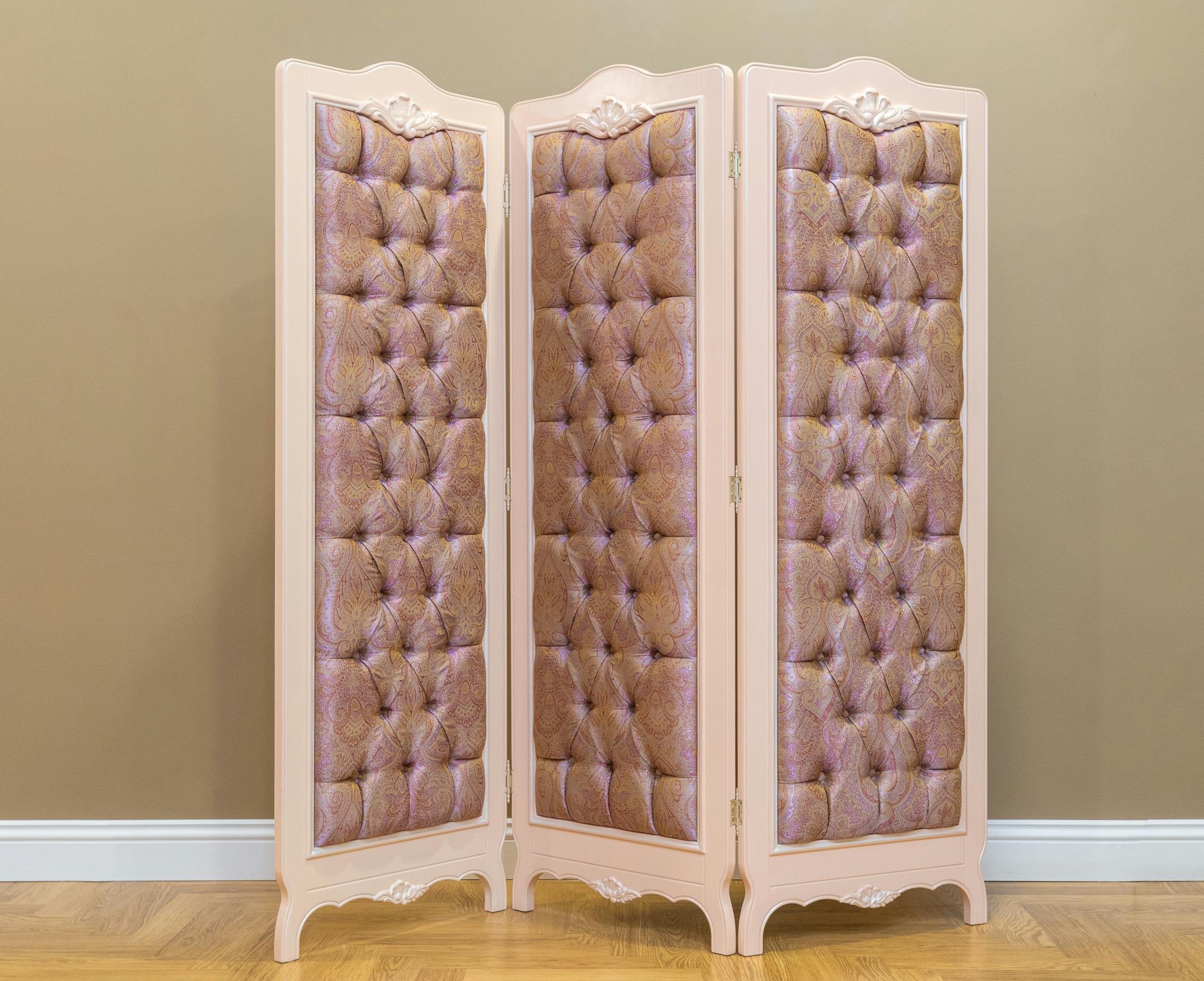
If you’re renting or just don’t fancy drilling holes everywhere These wooden Foldable Freestanding dividers are your best mate. These beauties can be moved around whenever you fancy a change and split a room into sections which is spot on if you like to keep mixing things up a bit.

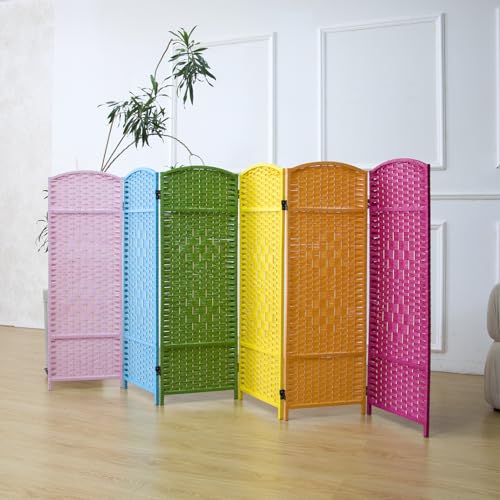
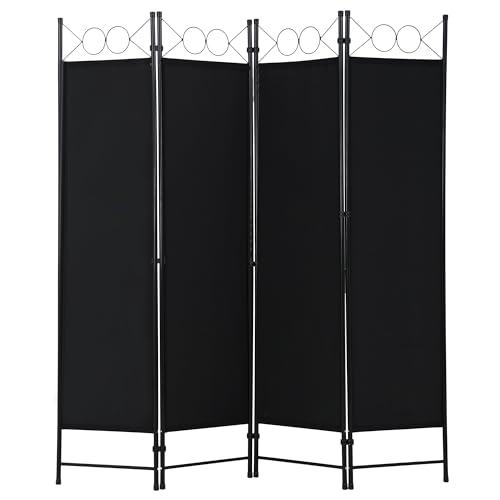
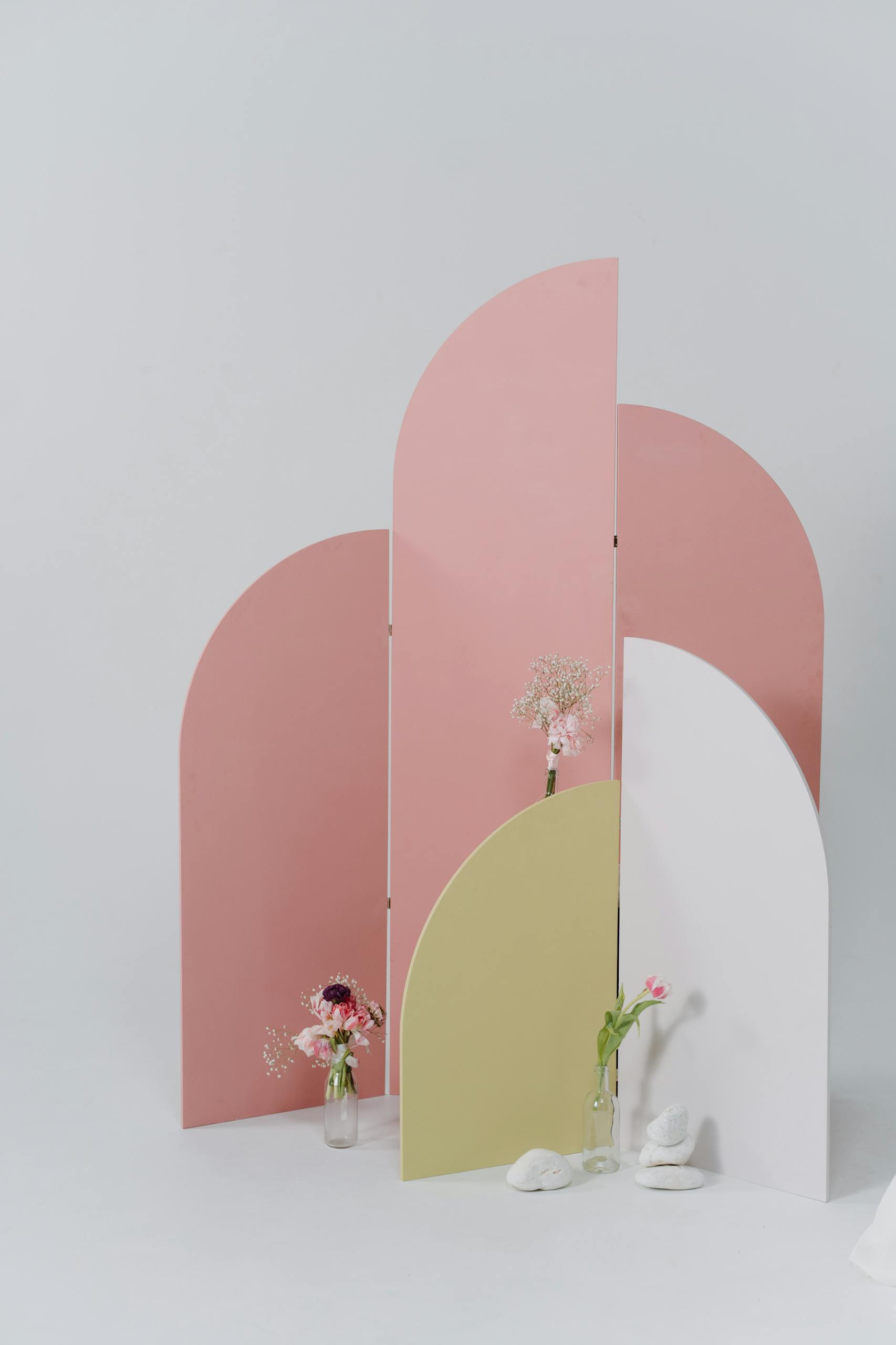
Folding screen dividers come in every colour you can imagine, If colour is your thing, check out this gorgeous Multi coloured 6 panel one in pink, green, blue, orange, yellow and lilac. Or if you prefer to play safe there’s these modern designs with Sleek black metal framed dividers that would look great in any room, what’s not to like.
Wall-Mounted Dividers: The Space-Saving Heroes
When floor space is tighter than your jeans after Christmas (no judgment here mi darlin), wall-mounted options are brilliant. These can be partial walls, hanging panels or even decorative screens that attach to your ceiling.
These helpful Room Divider Curtains come in many different colors and sizes. They can easily be hung on the provided tracks to create that sense of separation, working particularly well in small modern spaces.
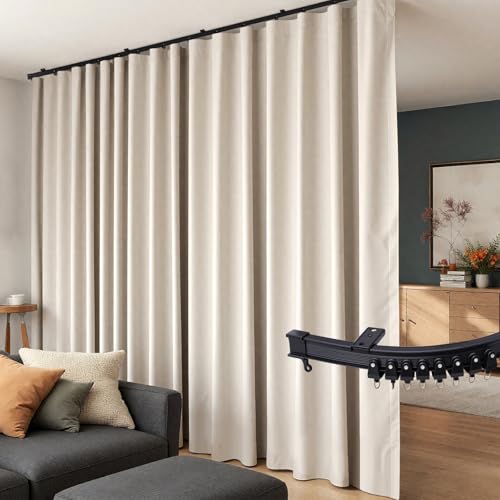
The beauty of these is they don’t eat up your precious floor space, which means you can still fit that coat rack or bench underneath.
Dividers with Storage: The Clever Multi-Taskers
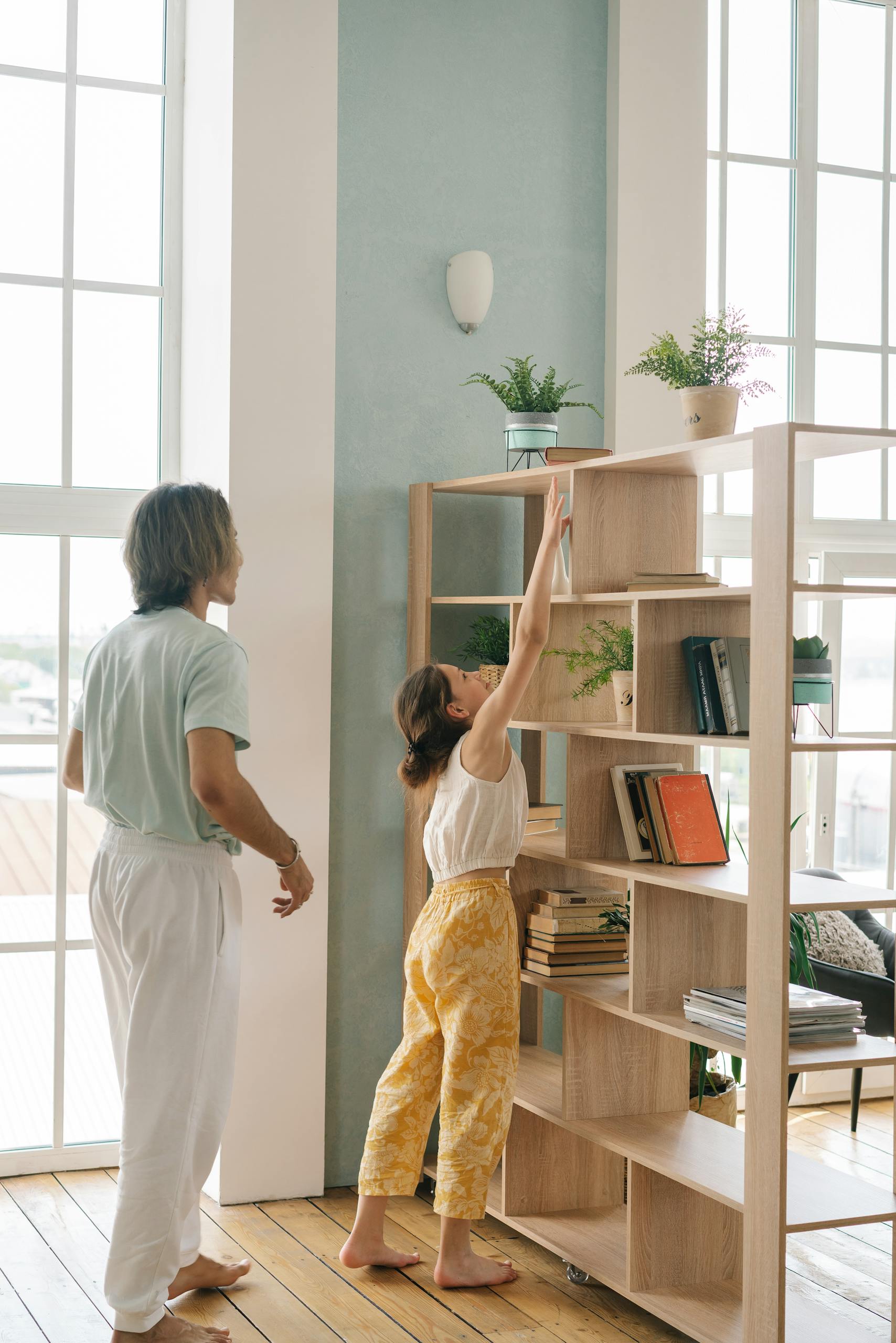
Right, this is where things get proper clever. Why have just a divider when you can have a divider that works double-time? Try this Bamboo Room Divider with Shelves, it offers a perfect spot to display plants, books, or decor, merging traditional bamboo wall panel screen aesthetics with modern utility.

Bookshelf dividers are absolutely genius for small spaces. You get your separation AND storage in one go. You can pick up lovely Open-shelf units on Amazon and use them to holds books and decorative bits, plants and ornaments.

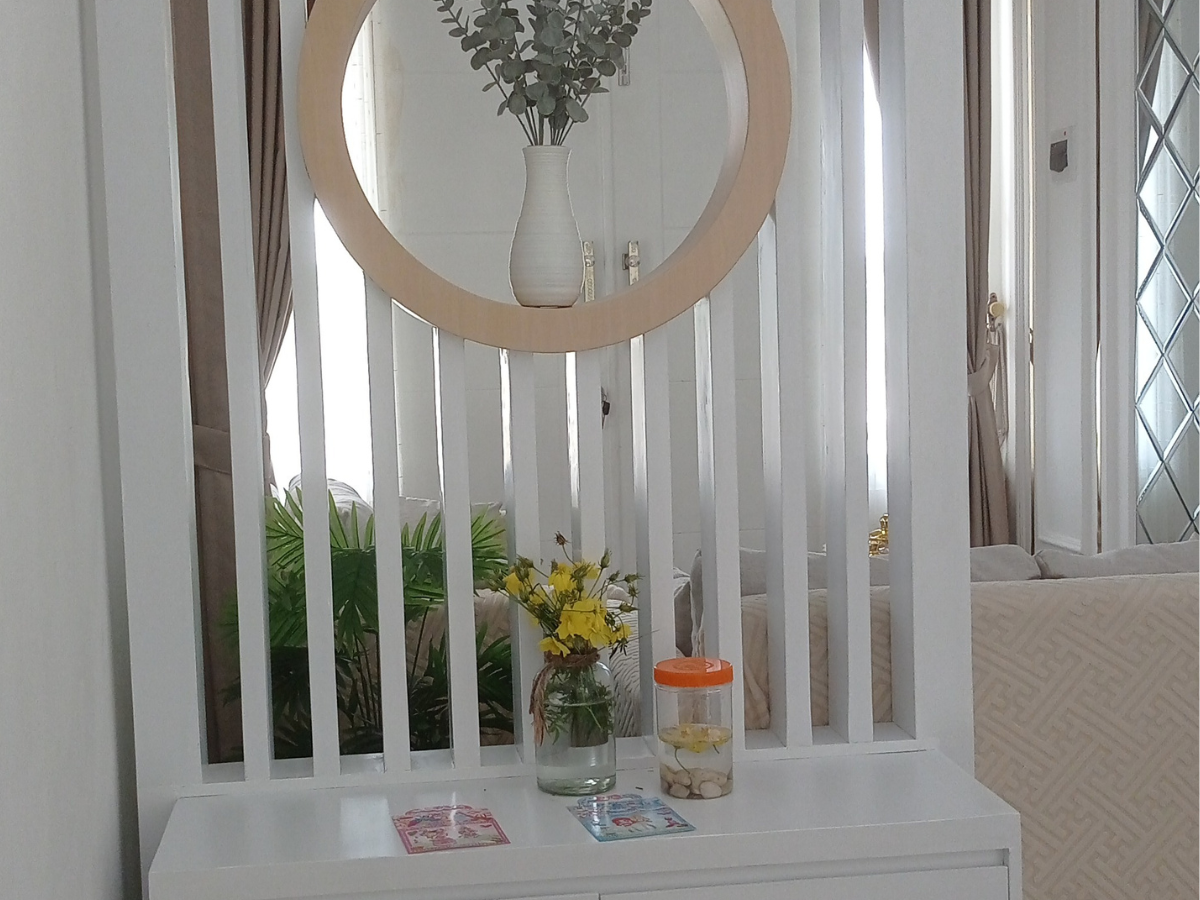
For those of you on a tighter budget, even a simple console table with an overlay panel behind it can create that divider effect. Add some tall plants or decorative items on top and you’ve got yourself a functional and beautiful space separator.
The Bookshelf Rotation
Check charity shops and Facebook Marketplace for tall narrow bookcases. They are the best budget friendly option, I’ve scored some absolute bargains , my best find was a solid wood unit for just £20. All you need to do is turn it sideways and you’ve got yourself a divider with storage space.
Plant Dividers: Bringing the Outdoors In
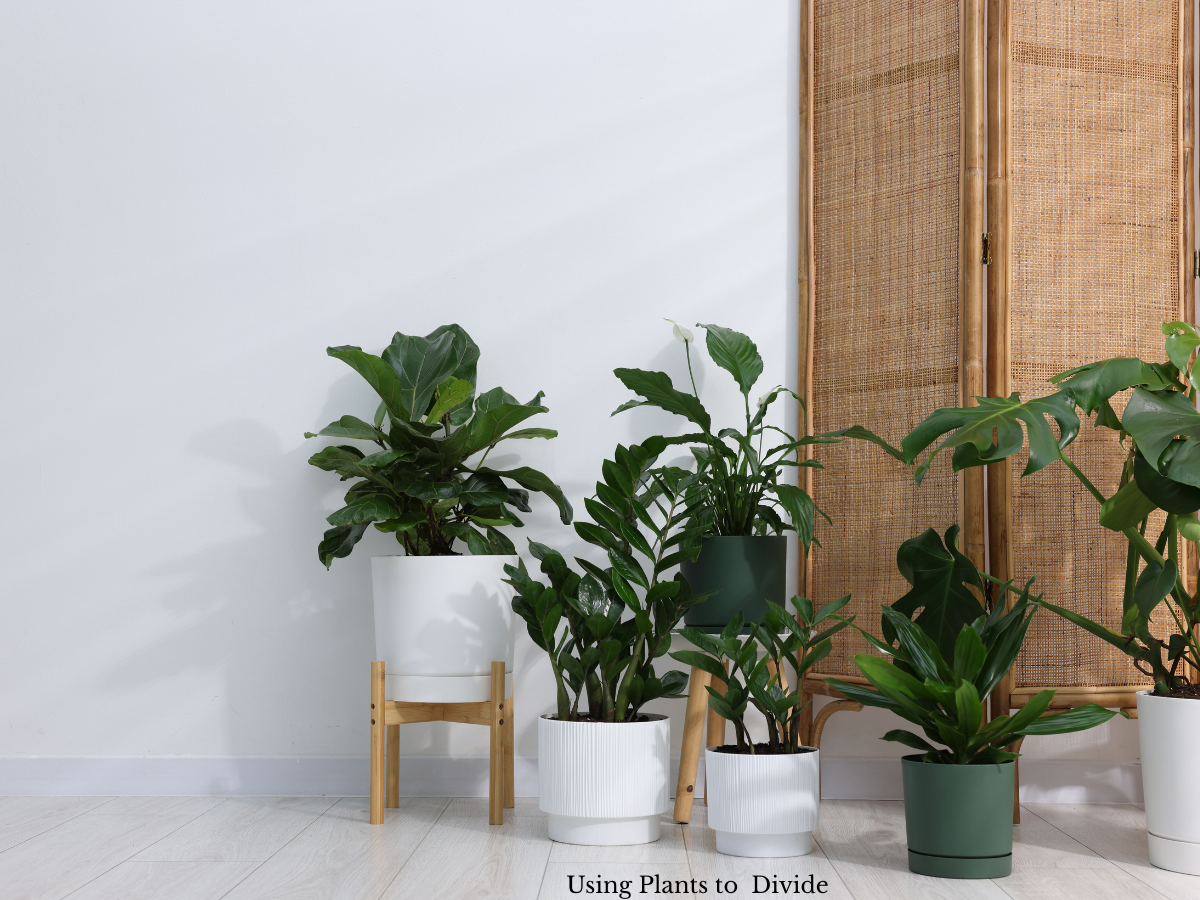
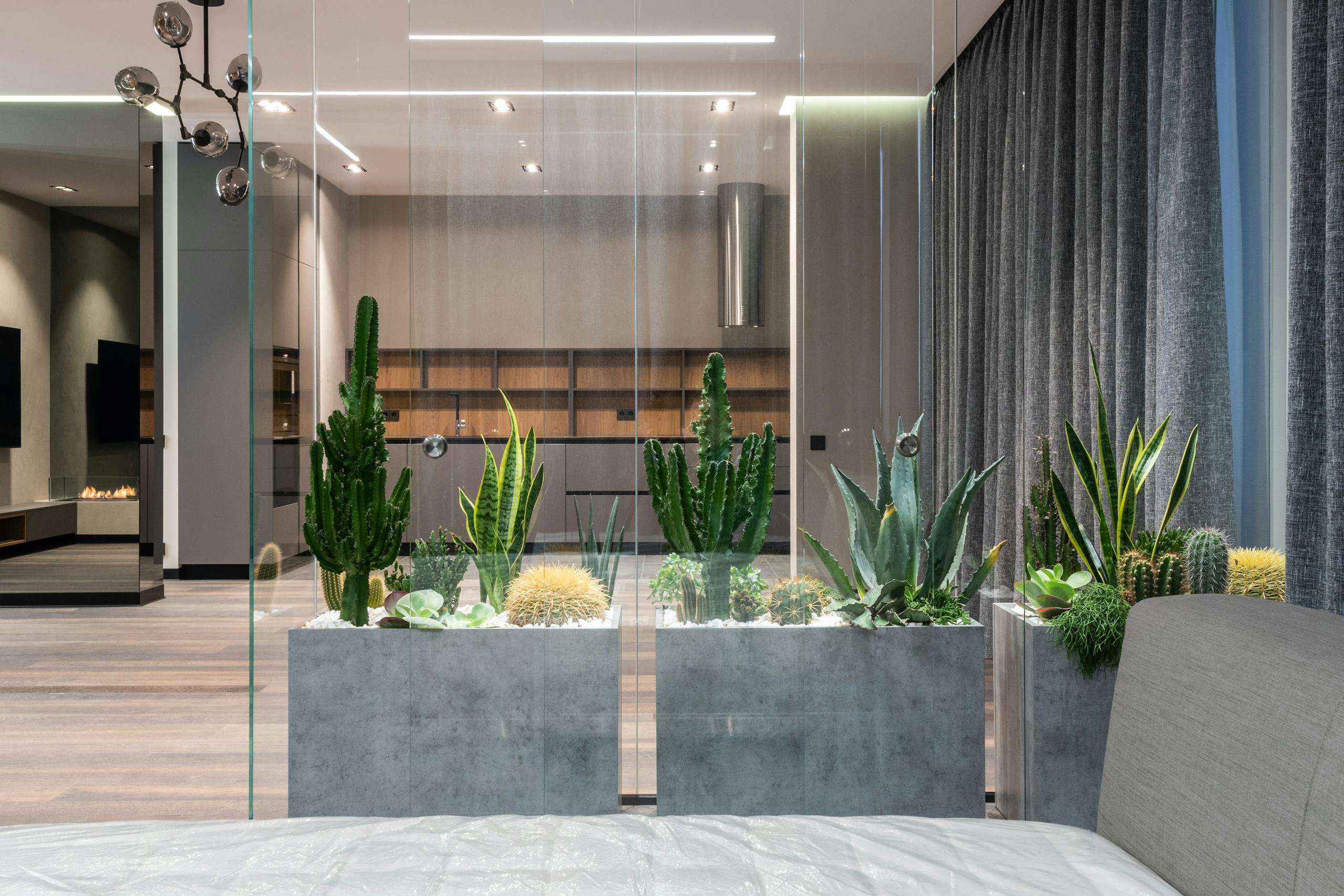
Can we just take a moment to appreciate how bloomin’ amazing plants are at creating sanctuary vibes? A tall plant instantly makes any space feel more peaceful and spa-like. I’ve used everything from tall fiddle leaf figs to hanging planters on a tension rod to create green dividers. Not only do they separate spaces but they also purify the air and add that lush, resort feeling to your home. Perfect for that staycation atmosphere.
You don’t need expensive planters either. I bought these Gorgeous ceramic pots with stands. Just line them up and load them up with plants. The combination creates a natural divider that feels organic and brings so much life to your space.

According to research from Nassa certain houseplants can actually improve indoor air quality so you’re not just creating a sanctuary you’re making it healthier too!
Creating Different Sanctuary Zones with Dividers
Here’s where the magic really happens mi darlin. Once you understand how to use dividers effectively you can create multiple little sanctuaries throughout your home – even in the smallest spaces.
The Meditation Corner
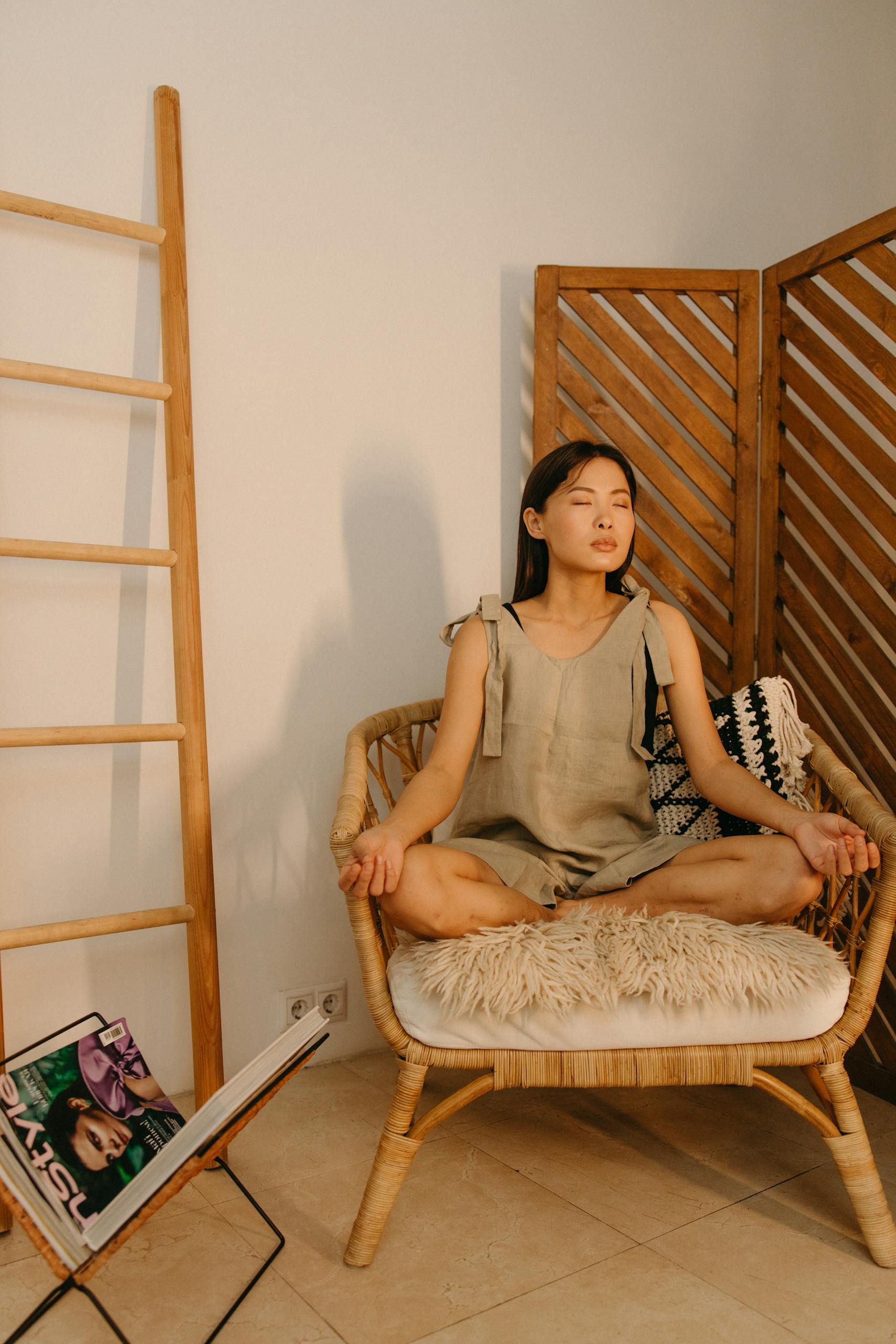
I know what you’re thinking – “Lee, I barely have room for my furniture let alone a meditation corner!” But hear me out. Even the tiniest nook behind a divider can become your zen zone.
After I added a divider near my hallway, I discovered this odd little corner space that were just wasted before. Stuck a Chair and some cushions back there and suddenly I had my own mini retreat. Light a candle, stick on some calming music and you’ve got yourself a proper sanctuary.
The beauty of using a divider for this is that it signals to everyone else in the house: “This space is separate. This space is for peace.” Even my family learned to respect that boundary which is saying something!
The Work-Life Balance Boundary
Blimey, if there’s one thing we all learned during lockdowns it’s that working from your sofa is a recipe for disaster. Your brain never switches off because you’re literally sitting in your relaxation space trying to focus on spreadsheets.
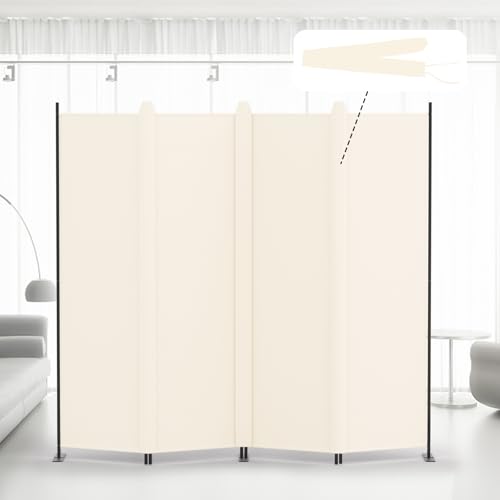
A room divider between your workspace and living area is absolutely essential for mental health. I’ve seen people get dead creative with this using everything from a simple fabric divider in blue or grey to match their décor, to more substantial options that completely hide the desk when work hours are done.
The best investment I made was a 6FT Tall room divider on wheels that I could roll across my living room to section off my desk area during the day and then tuck away in the evening. Out of sight, out of mind and proper essential for switching into relaxation mode.
The Reading Nook
There’s something special about having a dedicated reading space, isn’t there? Even if it’s just a comfy chair tucked behind a divider with a good lamp and a little side table for your tea.
The key with reading nooks is making them feel cosy and separate from the rest of the house. A divider even a simple one can make all the difference between “a chair in the corner” and “your special reading spot.”
I once created one using an old lace curtain an hung it from a Black Tension rod. It weren’t fancy but it created this lovely dreamy separation that made the corner feel like a secret hideaway. Added a second-hand armchair in a gorgeous fabric and I were sorted. I’ve done this with everything from sheer white panels for a light and airy feel to heavier fabrics for more privacy. During autumn, I’d swap to warmer colours and then go lighter again for spring. It’s like having multiple dividers for the price of one!

Practical Divider Solutions for Real Home Challenges
If you’ve got an open space between your living room and dining room, a divider can help keep the heat in the living room and not lose it to the dining room. Energy bills being what they are, every little helps! Plus, it will give you that cosy, separated feeling in the evening without the permanence of a door.
This is what I mean about dividers being practical solutions to real problems. They’re not just pretty features they solve actual issues we face in our homes every day.
Styling Your Entry Dividers for Maximum Impact
Right, having a divider is one thing, but styling it properly? That’s where you transform it from “functional” to “bloomin’ gorgeous.”
Colour Coordination
Think about your overall space when choosing divider colours. If your hallway is already quite dark then a white or light-coloured divider will keep things feeling open. If you’ve got a modern space, then black metal dividers look dead sophisticated. Want something cheerful? Don’t be afraid of colours like orange, red, pink or yellow – they can add such personality!
Adding Personal Touches
This is where you make it yours. Hang some artwork on your divider if it’s solid, you could drape some fairy lights over the top and add hooks for your favourite bags or scarves. I’ve even seen people use self adhesive Decorative lace overlays on plain dividers to add texture and interest and costs very little.

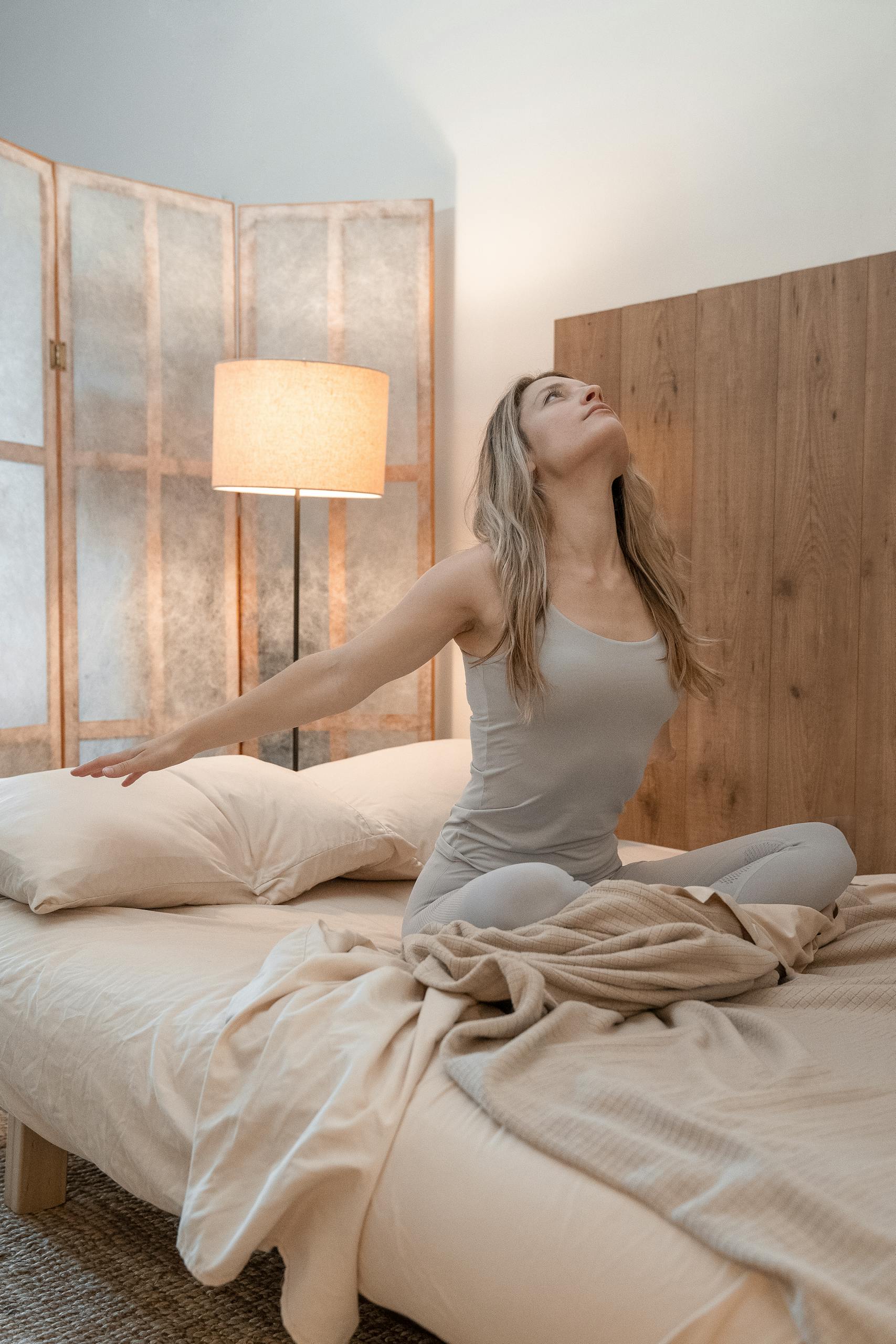
One of my favourite tricks is adding a lamp in front of divider to give it a warm glow and extra ambience to the room it’s in.
Common Entry Divider Mistakes (and How to Avoid Them)
OK let me save you from some bloomin’ disasters I’ve witnessed (and yes, caused myself).
Making Your Space Feel Smaller
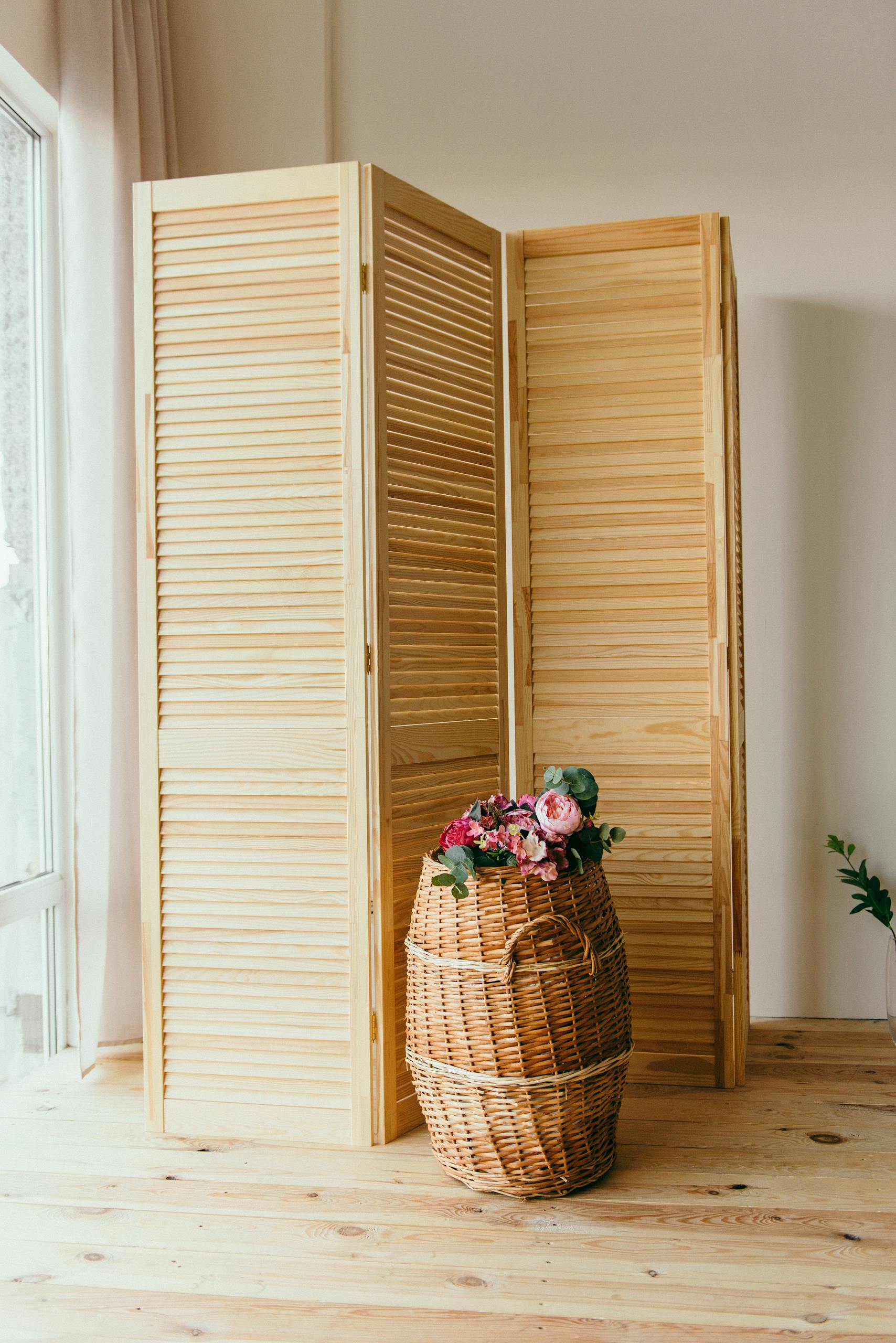
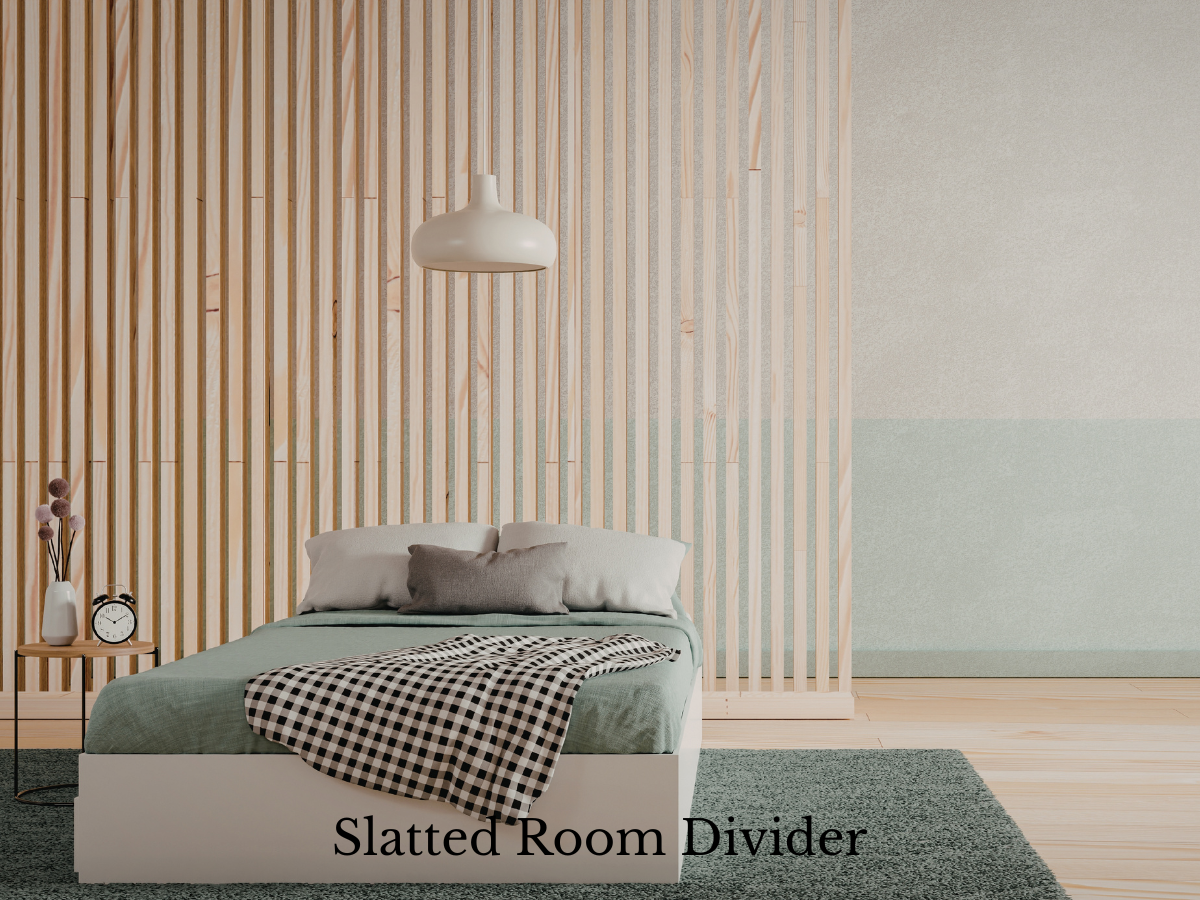
The whole point is to create sanctuary, not a prison cell! If your divider is too tall, too dark or too solid for your space, it’ll make everything feel cramped and claustrophobic. In small hallways especially consider options that let light through, slatted designs, open shelving or sheer panels work wonders.
Blocking Natural Light
If you’ve got limited natural light, make sure your divider doesn’t block it completely. Choose designs with gaps or translucent materials.
Forgetting About Function
A divider that looks gorgeous but serves no purpose beyond separation is a missed opportunity. Think about adding hooks, shelves or pockets to make it work harder for you. Your entryway needs to be functional as well as beautiful.
Choosing the Wrong Scale
I’ve seen tiny rooms with massive dividers and huge spaces with dividers so small they look lost. Measure your space properly and choose something proportionate. A good rule of thumb: your divider should be roughly two-thirds the height of your ceiling for maximum impact without overwhelming the room.
Making Your Sanctuary Work for You
Here’s the thing mi darlin – there’s no one-size-fits-all solution here. Your perfect sanctuary setup will depend on your space, your budget and what actually brings you peace.
Maybe you need a divider to create a quiet spot away from the telly. Perhaps you want to hide your workspace so you can properly relax in the evenings. Or maybe you just want your entryway to feel more like a boutique hotel and less like chaos central.
Whatever your reason, using room dividers to carve out your personal sanctuary is one of the most affordable and effective ways to transform your home into a proper haven and isn’t that what we all need these days?
Start small if you’re nervous. A simple tension rod with a curtain costs less than £25 and you can test out the concept before investing in something more permanent. You might be surprised at how much difference even that small change makes to how your home feels.
The key is creating spaces that serve you – spaces where you can genuinely relax and recharge because we all deserve a little sanctuary in our own homes.
Frequently Asked Questions
How do you divide a room to create a sanctuary space?
The simplest way to divide a room for a sanctuary space is using a freestanding room divider or folding screen. Position it to create a separate zone for meditation, reading or relaxation. Alternatively, use tall plants, bookshelf units or curtains hung from ceiling-mounted tracks. The key is creating a visual and psychological boundary that signals “this space is for peace and relaxation.”
What is the best room divider for small spaces?
For small spaces, the best room dividers are those that don’t block light or make the room feel cramped. Slatted wood dividers, open bookshelf units or sheer curtain panels work brilliantly. Dividers with built-in storage are particularly clever as they serve dual purposes. Avoid solid, floor-to-ceiling dividers in tight spaces as they can make rooms feel smaller.
How tall should an entry divider be?
Entry dividers typically work best at around two-thirds the height of your ceiling. For standard UK homes with 2.4m ceilings, aim for dividers between 1.6m and 1.8m tall. This creates effective separation without blocking light or making the space feel closed in. Adjust based on your specific space and how much privacy or separation you need.
Can room dividers work in rentals?
Absolutely! Freestanding dividers, tension rod curtains and furniture-based options like bookcases are perfect for rentals as they require no drilling or permanent installation. Many modern dividers are specifically designed for renters and can be easily moved or removed when you relocate.
What colours work best for room dividers in hallways?
Neutral colours like white, grey, black and natural wood tones are safest for hallways as they complement most decor styles. However, don’t be afraid of colour! Blue and green create calming vibes, while brighter colours like yellow, orange or pink can energize a space. Consider your existing hallway colours and choose something that either complements or provides an interesting contrast.
How can I make a room divider more functional?
Add hooks for bags and coats, attach small shelves for keys and post, incorporate storage baskets or use a bookshelf-style divider. Some dividers come with built-in mirrors, lighting or power outlets. You can also customize DIY dividers with pegboards for ultra-flexible storage options.
Go on then mi darlin, Go get dividing those rooms!
You might like my other posts on Leefrankie.com
Shop This Post
Here are all the products mentioned in this post for easy shopping.