British Words That Mean Something Completely Different in America: The Ultimate Guide
This post contains affiliate recommendations. As an Amazon Associate, I earn from qualifying purchases at no cost to you ever. In this post, we’ll explore some interesting British words that mean different things in America.
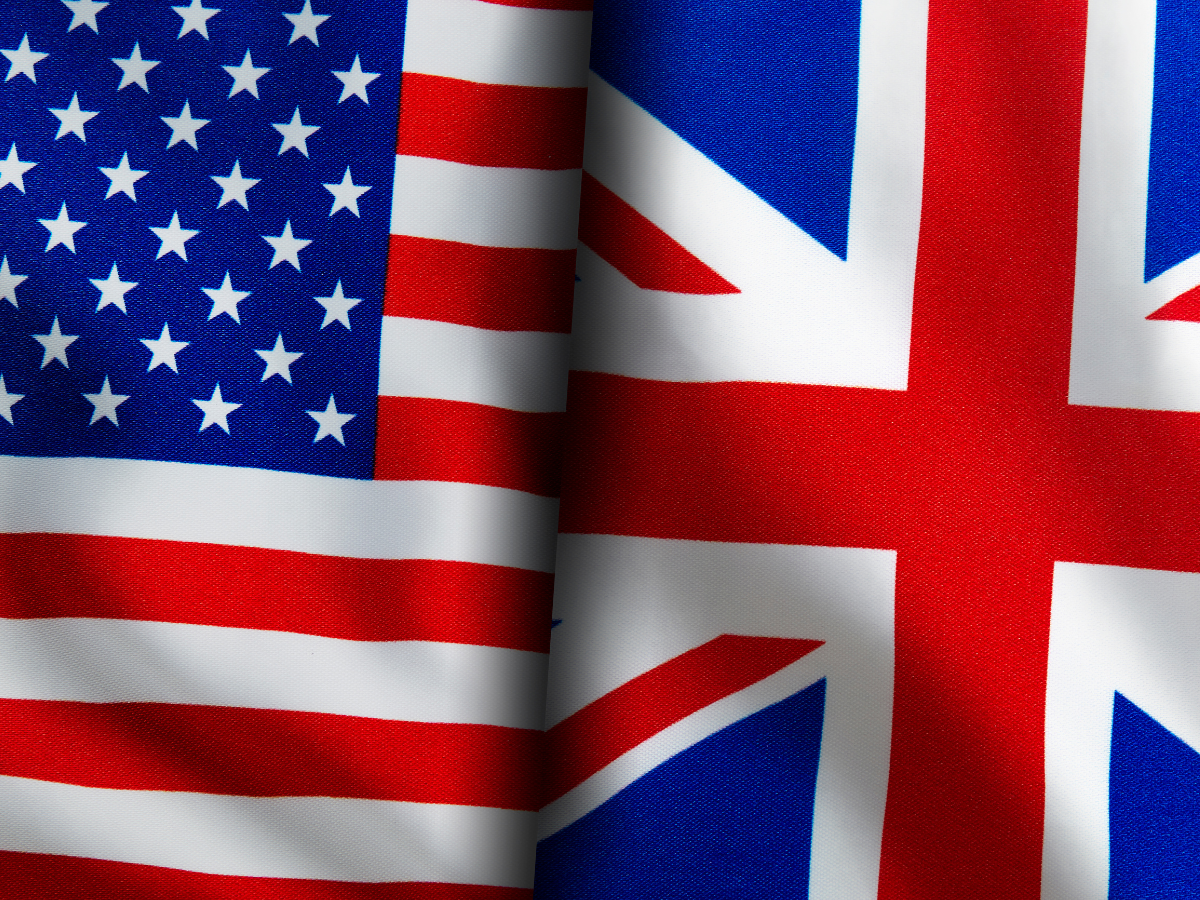
This post is all about British words that mean something completely different in America.
So you’ve got a dream to visit the UK. Maybe it’s been on your list for years. The cobbled streets, the pub lunches, proper countryside, cosy evenings, afternoon teas or the staycation culture we’ve quietly turned into an art form.
Or maybe you’ve fallen down a rabbit hole of British home content and you just want to understand how we actually live.
Either way mi darlin, welcome. You’re going to love it here.
I actually had two American friends come and join me on my staycation. They came to experience British life first hand and within 48 hours we’d had at least six moments where something I said completely innocently caused total confusion or near hysteria.
But here’s the thing. We speak English. You speak English. Yet somehow we’ve managed to make the same language mean completely different things depending on which side of the Atlantic you’re standing on.
Some of it will make you laugh. Some of it will make your eyes go wide the first time you hear it said completely innocently in normal conversation.
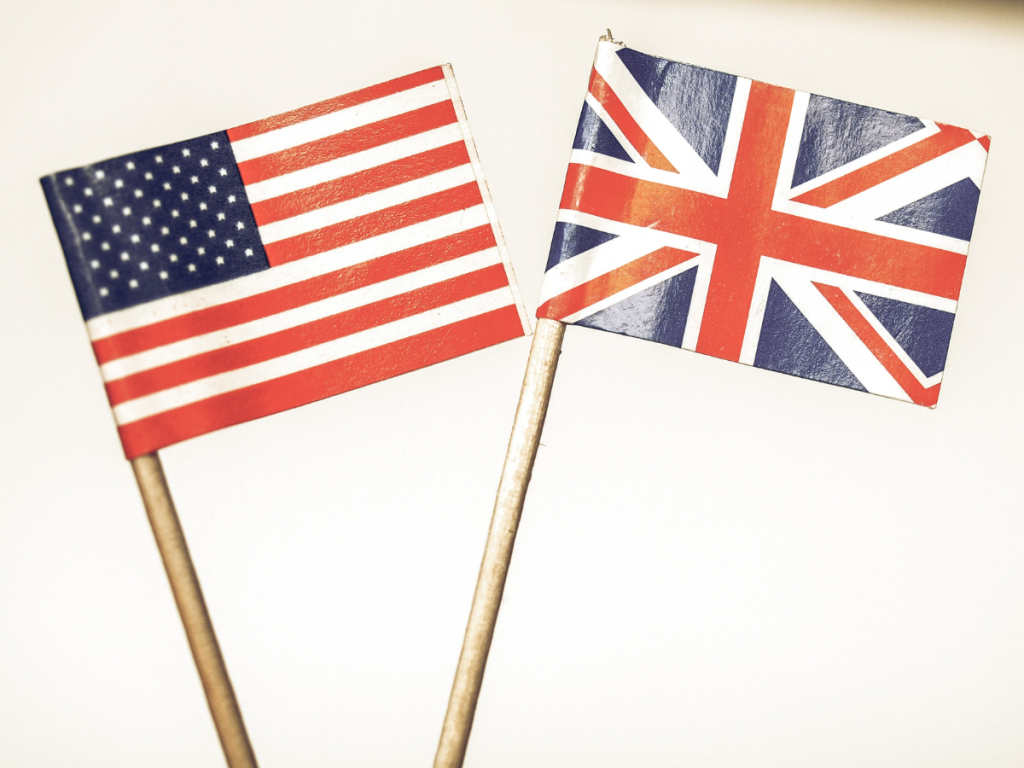
This is your insider guide to British words that mean different things in America. The ones that will catch you out if nobody warns you. Consider this me warning you. Properly.
Bookmark this one luv. You’ll come back to it.
And if you’re already planning your UK trip, one of the first things to sort is a Compact universal travel adaptor because UK plug sockets are completely different to US ones. I always recommend this one as it covers UK, EU and beyond, tucks neatly into hand luggage.

Bathroom and Toilet Words
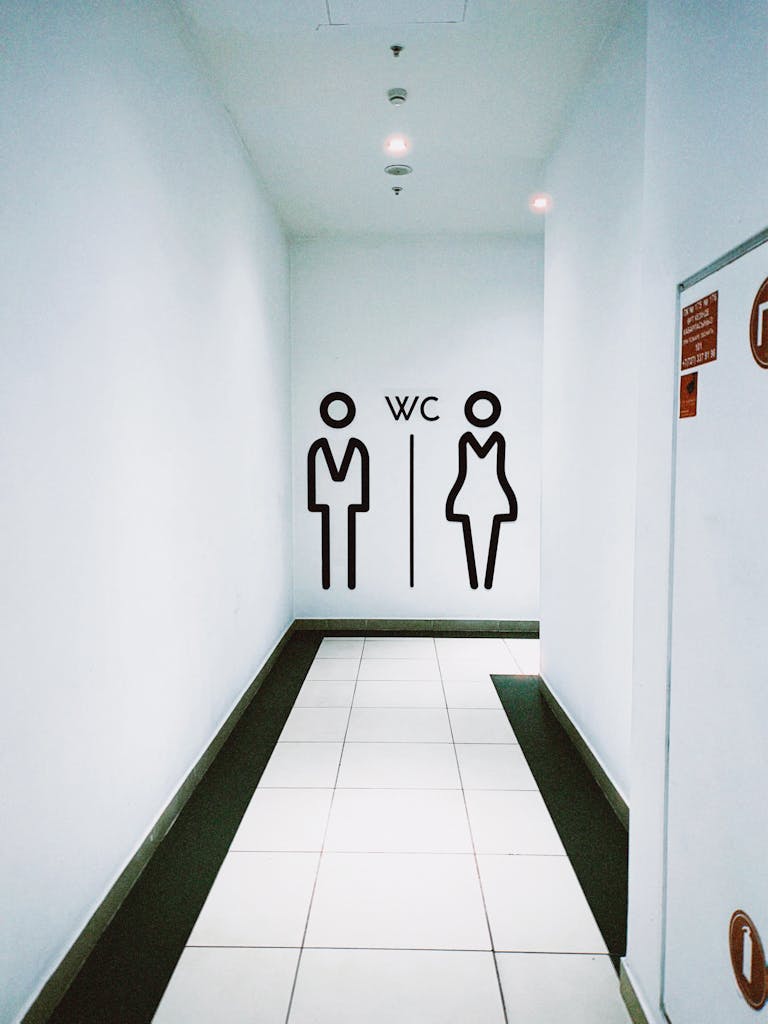
Let’s start here because this is genuinely one of the most immediately useful categories for any American visitor.
- Toilet / Loo / WC — Americans say bathroom. In the UK we say toilet, loo or WC. Asking for the bathroom in a pub will confuse people because there genuinely isn’t a bath in there. Just ask for the loo. Everyone will know exactly what you mean.
- Bog — Very informal slang for toilet. You’ll hear it. Don’t be alarmed.
- Spend a penny — An old-fashioned expression meaning to use the toilet. Comes from when public loos used to charge a penny. Some older people still say it.
- Bathroom — In the UK this specifically means a room with a bath in it. So in a house the bathroom has the bath and shower. The toilet might be in a separate room called the toilet or the loo
- Flannel — Your washcloth. A small square of towelling for washing your face.
Clothes and Getting Dressed

This category causes so much confusion. Especially pants. Always pants.
- Pants — This one is a bit of a mixed bag actually. In the UK pants can mean trousers, same as you’d use it in the US. But it also means underwear, or more specifically underpants. So context matters. If someone says “I split my pants” they could mean either and you’ll need to read the room. Underpants or undies is the safer word if you want to be specific about what’s underneath.
- Jumper — A sweater or pullover. Nothing dramatic. Just a warm top you pull over your head.
- Vest — An undershirt or tank top. Not the waistcoat thing you wear over a shirt. That’s a waistcoat.
- Waistcoat — What Americans call a vest when worn as part of a suit. Pronounced WESScut by most British people.
- Trainers — Sneakers or athletic shoes. Any rubber-soled casual shoe basically.
- Plimsolls — Simple canvas shoes. Like basic Keds or Vans. The kind kids wear for PE.
- Dressing gown — Your bathrobe. The thing you wear after a shower or lounging around on a Sunday morning.
- Tights — Pantyhose. The thin hosiery worn under skirts and dresses.
- Suspenders — In the UK these hold up stockings, not trousers. Braces hold up trousers. This is the opposite of the US.
- Braces — Suspenders for trousers. Also the metal things on teeth, same as in the US.
- Mackintosh / Mac — A raincoat. Named after the inventor of rubberised waterproof fabric. Still used regularly.
- Anorak — A hooded waterproof jacket. Also British slang for someone who is obsessively nerdy about a particular subject. Both meanings are in regular use.
- Fringe — Bangs. The hair that falls across your forehead.
- Polo neck — A turtleneck sweater.
Food and Drink Words That Will Confuse You
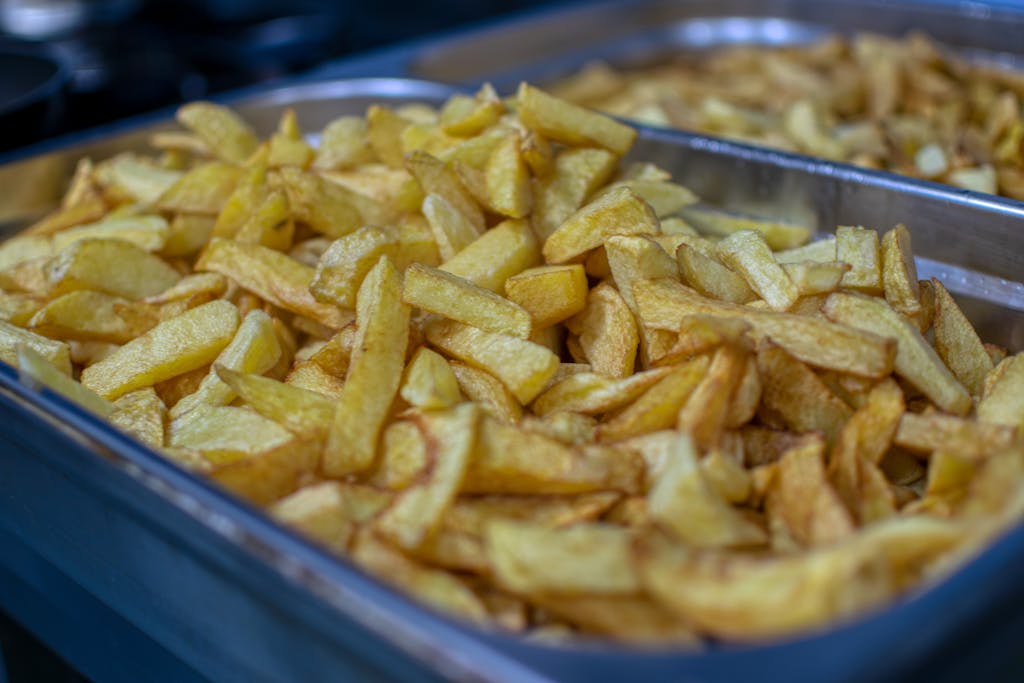
This is the category that genuinely trips Americans up most at mealtimes. My American friends that came to visit me had a brilliant time in the restaurants once they got the hang of it but the first couple of days there were some very puzzled faces.
The Savoury Ones
- Chips — French fries. Thick cut usually. What Americans call chips are crisps here.
- Crisps — Potato chips. The thin crunchy snack in a bag. Same thing, completely different word.
- Jacket potato — A baked potato. The whole thing baked in its skin.
- Courgette — Zucchini.
- Aubergine — Eggplant.
- Rocket — Arugula. The peppery salad leaf.
- Coriander — Cilantro. Both the herb and the seeds.
- Spring onion — Scallion or green onion.
- Mangetout — Snow peas. Flat pea pods you eat whole.
- Mince — Ground meat. Mince beef is ground beef. Mince on its own usually means beef.
- Banger — A sausage. Bangers and mash is sausages and mashed potato. Genuinely one of the best things you’ll eat here.
- Rasher — A slice of bacon.
- Gammon — A thick cut of cured pork, similar to ham but usually served hot. A gammon steak is a proper pub classic.
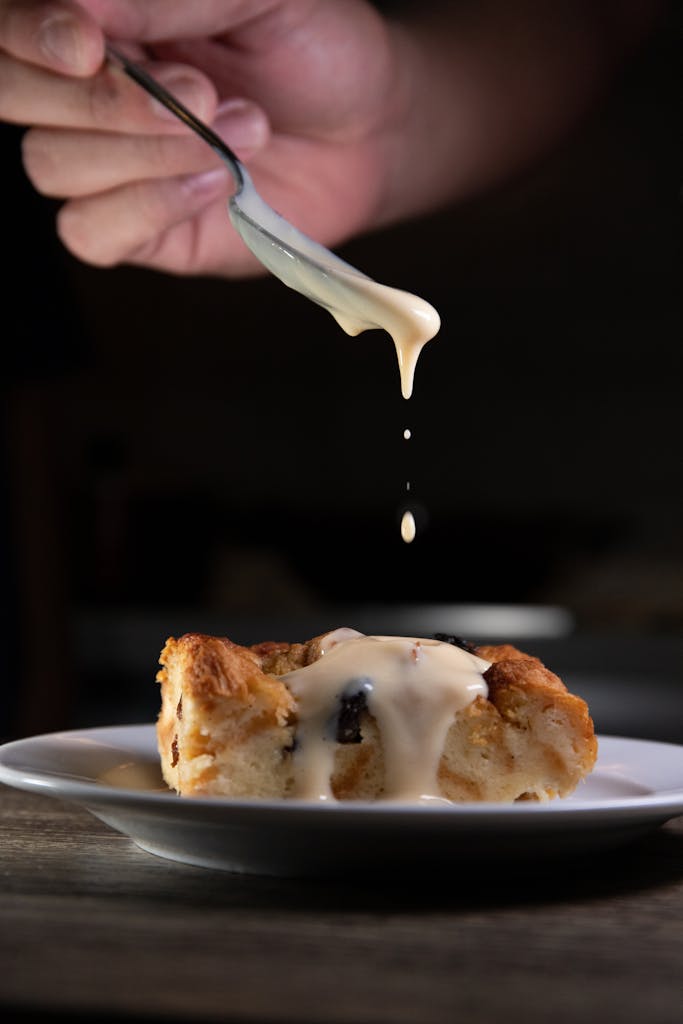
The Sweet Ones
- Biscuit — A cookie or a digestive style biscuit. Not the fluffy bread thing from the southern US. Do not ask for gravy with it.
- Pudding — This means dessert generally, not just the custardy stuff. “What’s for pudding?” means what’s for dessert.
- Jam — Jelly. The fruit preserve you spread on toast.
- Jelly — Jell-O. The wobbly coloured dessert. Not a fruit spread.
- Sweets — Candy. Any confectionery.
- Candy floss — Cotton candy. The spun sugar on a stick at fairgrounds.
- Hundreds and thousands — Sprinkles. The tiny coloured sugar decorations on cakes and biscuits.
- Scone — A baked good somewhere between a biscuit and a bread roll. Served with jam and clotted cream for a proper cream tea. How you pronounce it (to rhyme with gone or with tone) is a cultural battleground in the UK. Ask at your peril.
- Clotted cream — A very thick, rich cream from the West Country. Not whipped cream. Not sour cream. Something entirely its own.
- Treacle — Molasses essentially. A thick dark sweet syrup.
- Icing sugar — Powdered sugar or confectioners’ sugar.
Drinks
- Squash — A concentrated fruit drink you dilute with water. Nothing to do with the vegetable.
- Fizzy drink — Soda or pop. Any carbonated soft drink.
- Lemonade — In the UK this is typically a clear fizzy lemon-flavoured drink like Sprite or 7Up. Not the cloudy still lemonade Americans make from scratch.
- Full fat milk — Whole milk.
- Semi-skimmed — 2% milk roughly.
- Skimmed — Fat-free or skim milk.
- Tea — This word does a lot of heavy lifting in the UK. It’s a drink obviously. But it’s also what some people call their evening meal, especially in the north of England. “Tea’s ready” means dinner is on the table.
If you’re coming to the UK and want to really lean into the British home experience, a proper Loose leaf tea starter set or a Twinings tea Bag Sampler Assortment is a genuinely lovely thing to own if you want to sample out different teas before settling on a favourite.


Around the Home

- Garden — Your yard. Any outdoor space attached to a property is called a garden even if nothing grows in it and it’s entirely paved over.
- Tap — Faucet. The thing water comes out of.
- Hoover — To vacuum. Or the vacuum cleaner itself. “I’ll hoover the stairs” means I’m going to vacuum the stairs. Hoover is actually a brand name that became the generic word, same as Sellotape or Tipp-Ex.
- Sellotape — Scotch tape. Clear sticky tape.
- Tipp-Ex — White-out or correction fluid.
- Duvet — Comforter. The thick quilted bed covering. Pronounced DOO-vay.
- Curtains — Drapes. Window coverings.
- Wardrobe — A closet or armoire for hanging clothes. Often a freestanding piece of furniture.
- Airing cupboard — A warm cupboard usually housing the hot water tank where you dry clothes and store linen. Very much a British house thing. Americans are usually baffled by the concept.
- Skirting board — Baseboard. The painted board running along the bottom of interior walls.
- Coving — Crown moulding. The decorative trim where the wall meets the ceiling.
- Letterbox — Mail slot. The slot in your front door where post (mail) is delivered.
- Post — Mail. The postman delivers the post.
- Bin — Trash can or garbage can. Rubbish goes in the bin.
- Rubbish — Trash or garbage. Also used to mean something is bad or of poor quality. “That film was rubbish” means it was terrible.
- Rubber — An eraser. A pencil eraser. Nothing else in polite company.
- Drawing pin — A thumbtack.
- Clothes peg — A clothespin or clothes clip for hanging washing on a line.
- Washing up — Doing the dishes. “I’ll do the washing up” means cleaning the dishes after a meal.
- Washing up liquid — Dish soap.
On the Road and Getting Around
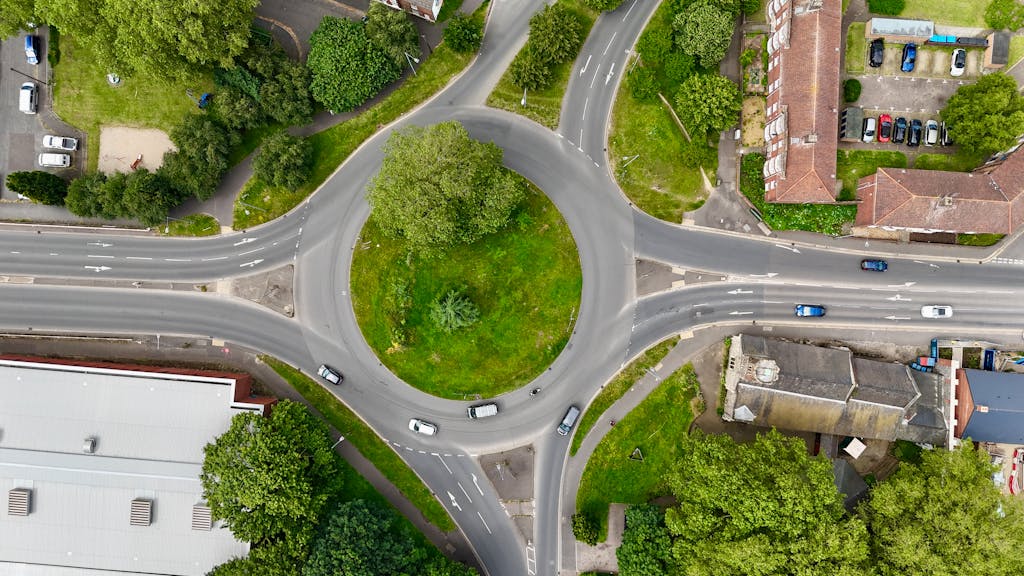
- Motorway — Highway or freeway. The fast multi-lane roads between cities.
- Dual carriageway — A divided road with two lanes each way. Smaller than a motorway but faster than a regular road.
- Roundabout — A traffic circle or rotary. There are a lot of them in the UK. Give way to traffic already on the roundabout and go clockwise. You’ll be fine.
- Zebra crossing — A pedestrian crossing with black and white painted stripes. Drivers must stop when someone steps onto one.
- Pelican crossing — A pedestrian crossing controlled by traffic lights. Press the button and wait for the green man.
- Pavement — Sidewalk. The pedestrian path beside the road.
- Verge — The grassy strip at the edge of a road.
- Car park — Parking lot or parking garage.
- Petrol — Gas or gasoline. You fill up with petrol at a petrol station.
- Boot — The trunk of a car.
- Bonnet — The hood of a car. What’s under the bonnet is the engine.
- Estate car — A station wagon.
- People carrier — A minivan.
- Lorry — A truck or semi-truck. A big goods vehicle.
- Coach — A long-distance bus. Not a sports coach. A National Express coach is a bus you take between cities.
- Underground / Tube — The subway. London’s underground rail network.
- Return ticket — A round-trip ticket.
- Single ticket — A one-way ticket.
School and Education Words

- Secondary school — High school. Usually ages 11-16 or 11-18.
- Sixth form — The last two years of secondary school for students aged 16-18 studying A-levels before university.
- University / Uni — College. Higher education after school. Never called college in the UK in the same way. College in the UK means something different.
- College — This refers to a further education college for vocational courses or A-levels. Not the same as an American four-year college.
- Public school — Confusingly in the UK a public school is actually a prestigious private fee-paying school. Eton and Harrow are public schools. What Americans call public school is a state school in the UK.
- State school — A government-funded free school. What Americans call a public school.
- Headteacher — Principal. The head of a school.
- Form — A class or year group. “What form are you in?” means what year are you in.
- Revision — Studying for exams. “I need to do my revision” means I need to study.
- Marks — Grades. “Good marks” means good grades.
- Maths — Math. Always plural in the UK. Never just math.
- Full stop — A period. The punctuation mark at the end of a sentence.
Medical and Health Words

- GP — General Practitioner. Your primary care doctor or physician.
- Surgery — A GP surgery is a doctor’s office or medical practice. Nothing surgical necessarily happens there. “I’m going to the surgery” means going to the doctor’s.
- Chemist — A pharmacy or drugstore. Boots the Chemist is the UK’s biggest pharmacy chain.
- Plaster — A Band-Aid. A small adhesive bandage.
- A&E — Accident and Emergency. The ER or emergency room.
- Paracetamol — Acetaminophen or Tylenol. The standard painkiller.
- Sick — In the UK being sick specifically means vomiting. Feeling unwell generally is feeling ill. So “I was sick” means I vomited, not just that I felt unwell.
- Dummy — A pacifier or soother for a baby.
- Nappy — A diaper.
- Pram — A baby carriage or stroller. More specifically a pram is the old-fashioned type where the baby lies flat.
- Pushchair / Buggy — A stroller. The type where the baby sits upright.
Money and Shopping Words
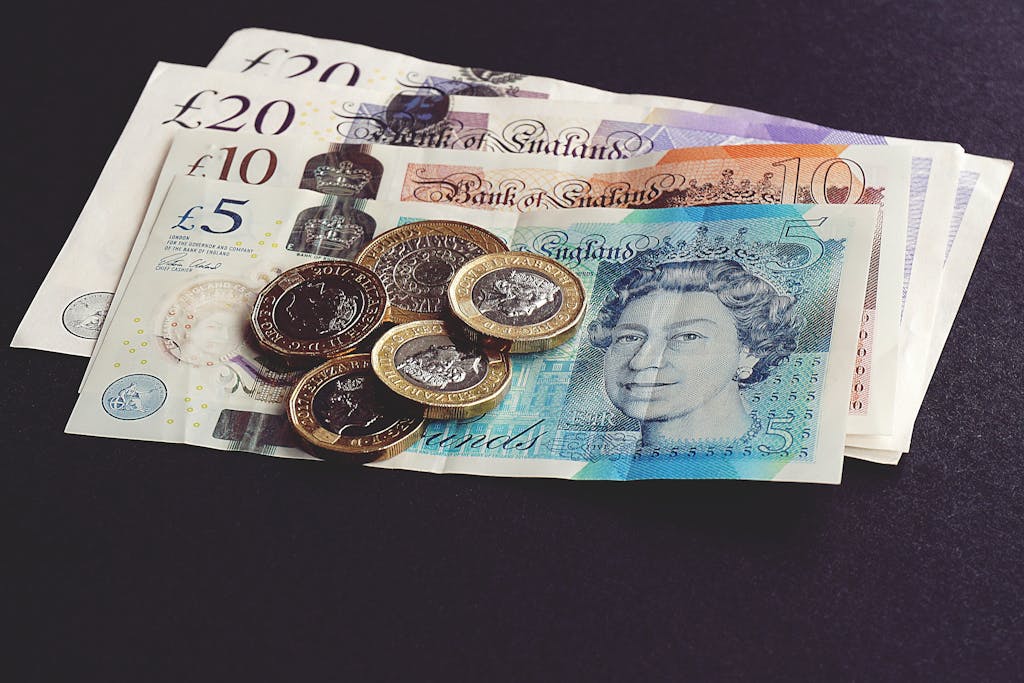
- Quid — Pounds. One quid is one pound sterling. “That’ll be twenty quid” means twenty pounds.
- Fiver — A five pound note.
- Tenner — A ten pound note.
- Till — A cash register or checkout. “Pay at the till” means pay at the register.
- Queue — A line. You stand in a queue, not a line. Jumping the queue is a serious social offence.
- Cashpoint / ATM — An ATM or cash machine. Cashpoint is used everywhere in the UK.
- Hire — Rent. You hire a car, not rent it. A hire car is a rental car.
- VAT — Value Added Tax. Already included in all UK prices displayed. Unlike the US where tax is added at the till.
- Charity shop — A thrift store. A second-hand shop run for charity. Oxfam and British Heart Foundation shops are everywhere.
- Jumble sale — A rummage sale or yard sale, usually held indoors at a community hall.
- Car boot sale — A flea market held in a car park where sellers sell from the boot of their car. A proper British institution.
Time and Numbers
This section caught my Americans friends out more than almost any other. The UK way of telling the time sounds simple until you’re actually using it.
- Half seven — 7:30. Not half of seven which would be 3:30. Half past seven shortened to half seven. You’ll hear this constantly. If someone says meet me at half seven they mean 7:30.
- Quarter past — Fifteen minutes past the hour. Quarter past eight is 8:15.
- Quarter to — Fifteen minutes before the hour. Quarter to eight is 7:45.
- Twenty-four hour clock — Used regularly on train timetables and official communications. 14:30 is 2:30pm. 19:00 is 7pm. Worth getting comfortable with it before you travel.
- Fortnight — Two weeks. Used completely normally in everyday conversation.
- Gone — Past. “It’s gone seven” means it’s past 7 o’clock. “It’s gone midnight” means it’s after midnight.
- Just gone — Just after. “It’s just gone half two” means it’s just after 2:30.
- Bank holiday — A public holiday. A national day off. Banks and many businesses close.
Everyday Expressions That Sound Alarming But Aren’t

These are the ones that cause the most dramatic reactions. My American friends absolutely lost it at some of these when I used them naturally in conversation without thinking.
- Fag — A cigarette. If someone steps outside for a fag they are having a smoke. Nothing more.
- Knocked up — Knocked on your door to wake you. “I’ll knock you up at seven” means I’ll knock on your door at 7am. An old expression still used by some.
- Fanny — In the UK this refers to female genitalia, not the backside. This causes enormous confusion both ways. A fanny pack in the UK is called a bum bag.
- Bum — Your bottom or backside. Also a tramp or homeless person in older usage.
- Shag — To have sex. Also a type of tobacco and a type of carpet. Context is everything here.
- Randy — Feeling sexually aroused. Calling someone Randy as a name raises eyebrows over here.
- Slag — A derogatory term for a promiscuous person. Not a casual word. Be aware.
- Pissed — Drunk. Not angry. If someone says they got absolutely pissed last night they mean they got very drunk. If they’re pissed off they’re annoyed.
- Bloody — A mild expletive used for emphasis. Bloody hell, bloody good, bloody awful. Considered very mild in the UK.
- Brilliant — Fantastic, great. Not necessarily anything to do with intelligence.
- Chuffed — Really pleased or proud. “I’m dead chuffed” means very pleased.
- Gutted — Devastated, very disappointed.
- Minted — Wealthy. Nothing to do with fresh breath.
- Skint — Broke. No money.
More Everyday Expressions That Sound Alarming But Aren’t
- Dodgy — Suspicious, unreliable or of questionable quality.
- Cheeky — Slightly impertinent but in an endearing way. A cheeky smile, a cheeky pint, a cheeky Nando’s.
- Narky — Irritable, grumpy.
- Faff — Unnecessary fuss or messing about. “Stop faffing about” means get on with it.
- Proper — Really or genuinely. “That’s proper good” means that’s genuinely great. Also used to mean correct or appropriate.
- Cheers — Thank you as much as a toast. Someone holds a door open, you say cheers. Very versatile.
- Ta — Thanks. Very informal short version of thank you.
- Are you alright? — Just a greeting. The expected response is “yeah you?” not an explanation of your wellbeing.
- I’m alright — I’m fine thank you. Not a signal of distress.
- Can’t be bothered — Don’t feel like it. Not strong reluctance, just mild disinclination.
- Bob’s your uncle — And there you have it. Job done. Simple.
- Gone pear-shaped — Gone wrong. Things have not gone to plan.
- Taking the mickey — Making fun of someone. Also taking the mick.
- Miffed — Slightly annoyed or offended.
- Chuffed to bits — Absolutely delighted.
- Knackered — Exhausted. “I’m absolutely knackered” means I’m very tired.
- Gobsmacked — Completely shocked or astounded.
- Bloke — A man or guy.
- Bird — Informal word for a woman. Can be affectionate or dismissive depending on context and tone.
- Mate — Friend. Or just a general term of address for anyone regardless of whether you know them.
- Lad / Lass — Boy / girl. Also used affectionately for adults. A lad’s holiday is a boys’ trip.

Work and Office Words
- Holiday — Vacation. We go on holiday, not vacation.
- Annual leave — Paid time off. UK workers are legally entitled to at least 28 days annual leave.
- CV — Resume. Your curriculum vitae is your work history document.
- Redundant — Laid off. Being made redundant means losing your job through no fault of your own.
- Notice period — The time you give an employer before leaving. Typically one month in the UK for salaried roles.
- Trade union — Labor union.
- Managing director — Often equivalent to CEO in a smaller company.
- Diary — Calendar. “Put it in the diary” means add it to your calendar.
- Ring — Call. “I’ll ring you later” means I’ll call you.
- Mobile — Cell phone. Your mobile number is your cell number.
Sport and Leisure

- Football — Soccer. The round ball sport played with feet. If you mean American football say American football.
- Athletics — Track and field. Running, jumping, throwing events.
- Pitch — A sports field. A football pitch is a soccer field.
- Kit — Sports uniform or equipment. A football kit is a soccer strip.
- Sports day — A school event where children compete in athletic events. A very British institution.
- Holiday — Vacation. British people go on holiday to the seaside, not vacation.
- Caravanning — Travelling and staying in a caravan (RV or trailer). A massively popular British holiday tradition.
- Staycation — Staying at home or in your home country rather than going abroad. A proper British art form, this one.
And if the British staycation culture has caught your attention, this is exactly the kind of evening we’re talking about. Here’s how we actually do it.
Or if you’re visiting the UK and want the full guide on what to expect, that post covers everything from weather to food to pub etiquette.
Spelling Differences Worth Knowing
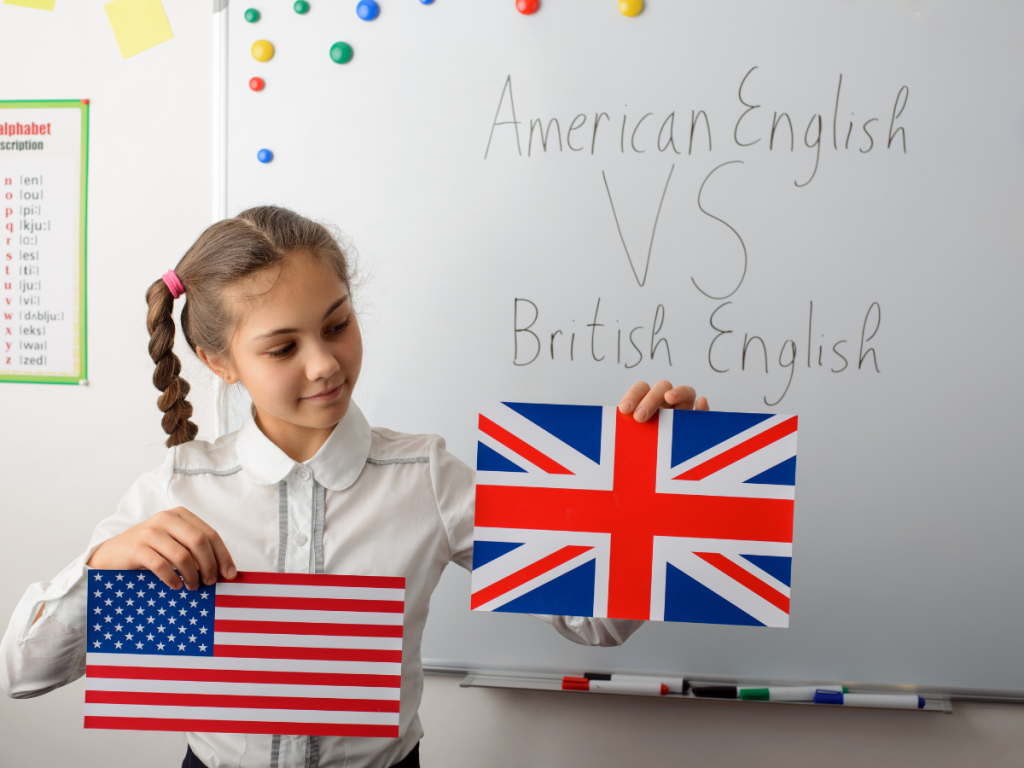
It’s not just words that differ. Spelling is different too and it can look like a typo when it’s actually correct British English.
- Colour / Color — British spelling uses the u. Colour, favour, honour, neighbour.
- Centre / Center — British spelling ends in re not er. Centre, theatre, fibre.
- Organise / Organize — British English uses s not z in many words. Organise, recognise, realise.
- Tyre / Tire — The rubber thing on a wheel is a tyre in the UK.
- Cheque / Check — A bank cheque is spelled with a que in the UK.
- Grey / Gray — The colour is grey in the UK.
- Mum / Mom — British children say mum, not mom.
- Jewellery / Jewelry — Two l’s in the UK.
If all of this has got you properly excited about a UK visit and you want to really immerse yourself in British home life, a British afternoon tea hamper is one of the most genuinely luxurious gifts you can give yourself or someone else before or after a trip. You’re looking at around £60 depending on how generous you’re feeling but it’s a proper special occasion thing and the kind of gift that makes people feel properly looked after.

For an even deeper dive into the full official list of British and American English differences, the Oxford English Dictionary’s guide to British and American English is the most authoritative reference point you’ll find.
Frequently Asked Questions
What are the most confusing British words for Americans?
The most confusing British words for Americans include: pants (which can mean trousers but also underwear depending on context, so tread carefully), fag (cigarette not a slur), rubber (eraser not a contraceptive), knocked up (woken by knocking not pregnant), chips (fries not crisps), biscuit (cookie not a bread roll), pissed (drunk not angry) and fanny (female anatomy not the backside). These cause the most genuine confusion and occasionally genuine alarm on first encounter.
How many words are different between British and American English?
There are hundreds of everyday words that differ between British and American English. Linguists estimate there are over 4,000 differences in vocabulary, spelling and usage between the two versions of English. The categories with the most differences are food, clothing, transport, housing and everyday expressions.
Do British people understand American English?
Yes, mostly. British people consume a huge amount of American media so most US words and expressions are familiar. But the reverse is less true. Americans encounter far less British English in everyday life so British terms are more likely to cause confusion when visiting.
What is the most embarrassing British word for Americans?
Most Americans cite fanny as the most alarming one because in the UK it refers to female genitalia while Americans use it casually to mean backside. Fag is a close second. Both are completely innocent in UK context and both cause significant double-takes when Americans hear them for the first time.
Is British English harder to understand in different regions?
Yes. The UK has enormous regional variation in accent and dialect. A Geordie accent from Newcastle, a Scouse accent from Liverpool, a Brummie accent from Birmingham and a Glaswegian accent from Glasgow can all sound completely different from the Queen’s English most Americans expect. Give yourself a few days and you’ll tune in naturally.
Well go on then mi darlin, get this bookmarked before you land on British soil. You’ll hear someone call their dinner tea and not even flinch. Proper local, you are now.