

How to Have a Magical Christmas Without Going Broke: Your Complete 2026 Budget Guide
It is possible to enjoy a wonderful Christmas without going broke if you make a solid budget plan and stick to smart spending habits.
Last December I watched my neighbor Sarah panic buy £500 worth of random gifts on Christmas Eve. Her face was pale as she swiped her credit card again and again, “I’ll deal with this in January,” she said!
But here’s the thing, January always comes and those bills always hurt.
I know because I used to be Sarah. Three years ago I was staring at my own credit card statement in shock. My stomach dropped as I calculated how much my “magical Christmas” had actually cost and that’s when I decided, never again!
This year you too can pull off an absolutely wonderful Christmas without a financial hangover and the secret isn’t about spending less on everything. It’s about being smart with what you spend and when you spend it.
With the right planning you’ll actually enjoy the holidays more, Why? Because you’ll be focused on what truly matters like spending time with the people you love.
Why Most People Fail at Christmas Budgeting (And How You Won’t)
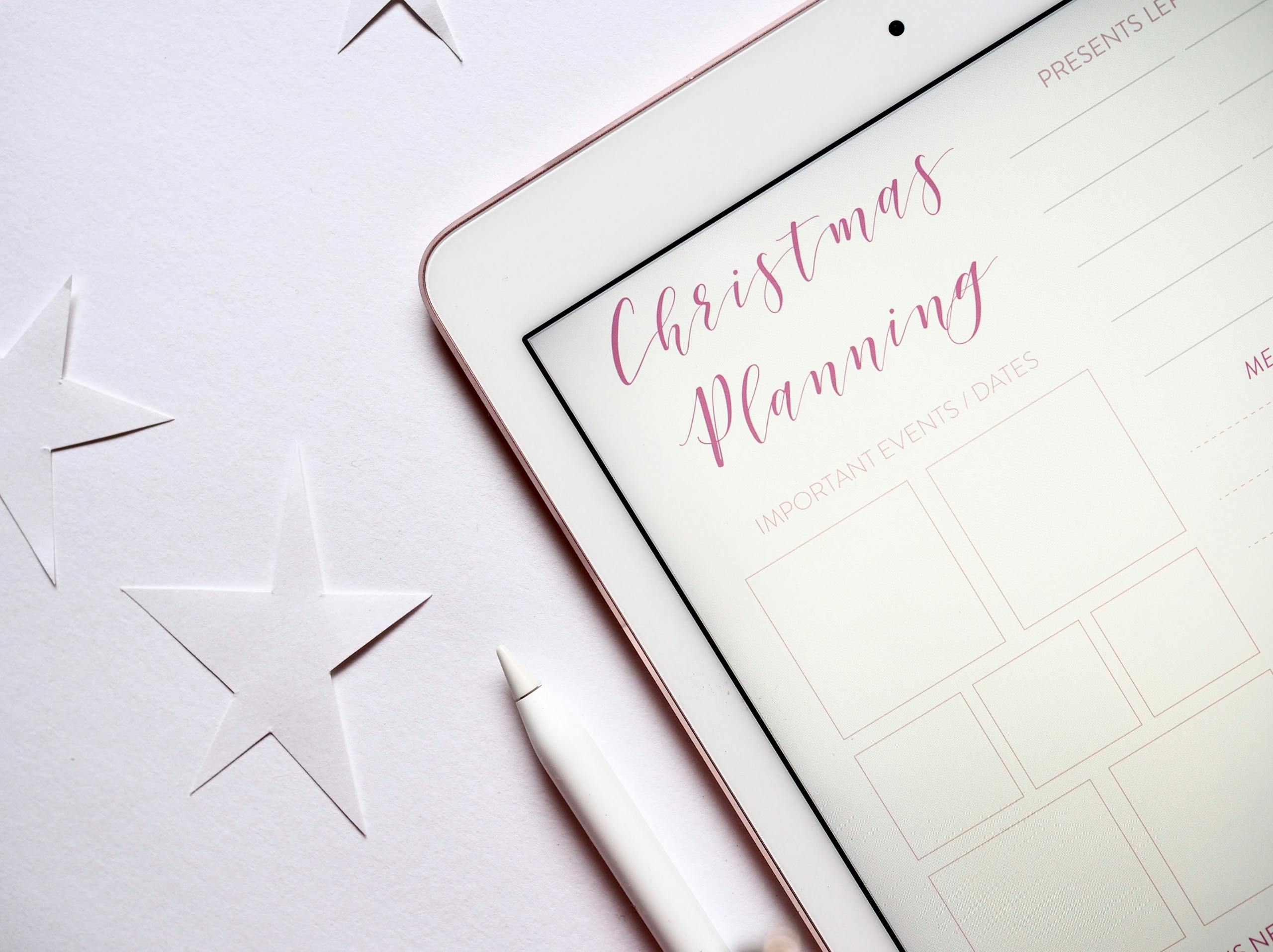
Here’s the brutal truth. Most people fail at Christmas budgeting because they start too late. Trying to wing it with good intentions but with no concrete plan, Sound familiar?
The difference between a stressed debt ridden January and a peaceful start to the new year comes down to three things:
- Starting early (like right now not December 1st)
- Having a detailed plan (not just “I’ll spend less”)
- Track everything (yes, even those little impulse buys)
I’ll show you exactly how to do all three.
Setting Up Your Christmas Budget Planner: The Foundation
Choose Your Planning Method
First, you need the right tools. I’ve tried everything from fancy apps to notebook scribbles. Here’s what actually works:
Digital Templates (great if you love your phone/laptop)
- Google Sheets or Excel with Christmas budget templates
- Apps like Mint, YNAB or PocketGuard for automatic tracking
- Bonus: they do the math for you and sync across devices
Printable Worksheets (my personal favorite)
- Free Christmas budget printables from sites like Pinterest or budgeting blogs
- You can scribble notes, cross things off and stick them on your fridge
- No dead phone battery excuses!
Look for templates that cover these essential categories
- Gifts (family, friends, coworkers and teachers)
- Food and entertaining (special meals, treats and drinks)
- Decorations (new purchases and replacements)
- Travel and transportation
- Cards, wrapping and shipping
- Entertainment and activities
- Holiday clothing or outfits
- Charity and giving
- Emergency buffer (trust me on this one)
Calculate Your Real Christmas Budget

Most people go wrong because they pick a number out of thin air instead of being methodical.
Step 1: Figure out your available income. Take your monthly income and subtract all your fixed expenses. This should include rent, utilities, groceries, and loan payments and don’t forget December specific costs like higher electricity bills from all those twinkle lights!
Step 2: Add any extra holiday income
- Work bonuses
- Side hustle earnings
- Money from selling items you don’t need
- Gift money from relatives
- Cashback rewards you’ve been saving
Step 3: Set your spending limit. A good rule of thumb is your total Christmas spending shouldn’t exceed 1.5% of your annual household income so if you make £40,000 a year aim for around £600 total.
Step 4: Create your buffer This is crucial. Set aside 10-15% of your total budget for surprises. This could be a coworker who unexpectedly gives you a gift or the broken decoration that needs replacing or even the extra food when more people show up than expected.
Assign Money to Each Category
Now comes the fun part. Deciding where your money goes. Start with your priorities an ask yourself, what matters most to your family? Is it:
- Giving generous gifts?
- Hosting an amazing dinner?
- Creating magical decorations?
- Traveling to see family?
Allocate the biggest chunks to your top priorities. Then work down the list.
The Art of Gift Planning: Maximum Joy, Minimum Debt
Create Your Master Gift List
Before you buy a single thing sit down and create a complete list and include:
- Person’s name
- Relationship/category (immediate family, extended family, friends and coworkers)
- Age and interests
- 2-3 gift ideas
- Maximum spending amount
- Preferred shopping location
This stops you from those dangerous “oh, this is perfect for someone” purchase because unfortunately those purchases destroy budgets.
Smart Gift Budgeting Strategies
The Percentage Method: Allocate your gift money by relationship closeness:
- Immediate family: 60% of gift budget
- Extended family: 20%
- Friends: 15%
- Coworkers/others: 5%
The Equal Spend Method: which means you spend the same amount on each person within the same relationship, for example each cousins get £25 and each friend get £15, this method helps avoid the awkward situation where one cousin gets a £10 gift and another gets a £30 gift which can cause family drama!
The Name Drawing Method: For large families suggest drawing names instead of buying for everyone. One thoughtful £30 gift beats six rushed £10
Money-Saving Gift Ideas That Still Feel Special

The best gifts often cost the least but they require the most thought:
- Memory gifts: Photo books, scrapbooks, or custom calendars with family pictures
- Experience gifts: Movie tickets, museum passes, or vouchers for activities you can do together
- Homemade treats: Cookies, jams, or hot chocolate mixes in decorated jars
- Subscription gifts: Monthly boxes for their hobbies (often available with discount codes)
- Service gifts: Offer to babysit, cook dinner, or help with a project
My Homemade Gift Success
During a particularly tight financial year I made Christmas presents for my family using glass jars decorated with ribbon. I filled them with candles and tea lights. They cost about £3 each to make but looked like they came from an expensive boutique.
My family loved them so much that they still display them years later. They probably treasured them more than expensive store-bought gifts and yet those would have cost three times as much. Sometimes the most meaningful gifts really are the ones that come from the heart and your own hands.
Building Your Christmas Savings Throughout the Year
Start Your Christmas Fund Early
The biggest game-changer. Starting to save in January not November because even £20 a month adds up to £240 by December, believe me, it makes a real difference in your budget.
Open a separate Christmas savings account. This way you won’t accidentally spend the money on pizza nights or impulse purchases. Many banks offer special Christmas savings accounts which you can’t touch until December.
Creative Ways to Boost Your Christmas Fund
Sell items you don’t need: Go through your wardrobe and look for items such as kids toys, books and electronics. Last year I made £85 from selling old board games and clothes we’d outgrown.
Use cashback apps: Apps like Honey, Rakuten or TopCashback give you money back on purchases you’re making anyway. The cashback adds up over the year.
Save your spare change: Keep a jar for loose coins. My kids used to love counting it up and we usually had about £30-50 by Christmas.
Take advantage of sales year-round: Buy wrapping paper, decorations and Christmas cards in January when they’re 50-75% off then store them safely and you’re already ahead for next year. If you’re curious about what’s trending check out the latest Christmas tree decor colours for 2025.
Use loyalty points strategically: Save up credit card points, store reward and loyalty program benefits specifically for Christmas shopping.
Open a separate savings account for Christmas. That way you won’t accidentally dip into your holiday money for a takeaway night. For more detailed Christmas savings strategies, Money Saving Expert has brilliant tips that can help you maximize your holiday budget throughout the year.
My Turkey Leftover Success Story

Here’s a money-saving win that surprised even me. One year I managed to create five completely different meals from our Christmas turkey leftovers.
We had another full turkey dinner, then turkey pie, then turkey risotto, turkey broth and what I called “turkey mush.” That was basically turkey with rice, vegetables and stock. It was actually delicious!
When I told my friend about it, she laughed and said, “Blimey, how big was that turkey?!” But honestly, those leftovers stretched our food budget for an entire week. They saved us about £40 in grocery shopping.
Just remember that cooked turkey only stays fresh in the fridge for 3-4 days. Freeze some portions if you’re planning multiple meals.
Think about what matters most this Christmas. Is it gifts? Hosting a big dinner? Planning the best Christmas dinner without getting stressed can actually help you budget better when you know exactly what you’re cooking. Write down your top priorities in order.
Got any extra money coming in? Maybe a bonus? some cash from selling old stuff or a little holiday side hustle? Add that to your Christmas budget.
Smart Shopping Strategies for Every Category
Food and Entertainment Budget
Holiday meals always cost more than expected. Here’s how to manage it:
Plan your menu first. Then shop with a detailed list. Include:
- Main meals (Christmas dinner, Boxing Day lunch, New Year’s Eve)
- Snacks and treats for guests
- Drinks (alcoholic and non-alcoholic)
- Special dietary requirements
Shop sales strategically: Non-perishables can be bought weeks in advance when they’re on sale however fresh items should be purchased closer to the date.
Consider potluck-style gatherings. Guests bring dishes, reducing your costs and often resulting in more variety and you can still create a beautiful table setting on a budget my Christmas dinner table decorating guide shows you how.
Decorations on a Dime

You don’t need to spend a fortune to create a festive atmosphere.
- Focus on one area: Make your main living space spectacular rather than decorating every room averagely
- Invest in versatile items: White lights work for any theme and can be reused throughout the year
- Make it yourself: Paper snowflakes, pinecone decorations, and homemade wreaths cost pennies but look professional
- Use nature: Holly, pine branches, and berries from your garden create beautiful, free decorations. Get permission first!
My Personal Story: The Sea Urchin Baubles
When I was 12, money was tight in our household so I made Christmas baubles from sea urchin shells I’d collected at the beach during a summer holiday in Malta the year before. I spent hours painting them in pretty pastel colours and hung hem on the tree.
Those homemade decorations became the most treasured ornaments and they felt more meaningful than any store-bought ones ever could be.
For more budget-friendly decorating ideas, check out my guides on decorating a Christmas tree on a budget and Christmas mantel decorating guide.
My Backyard Christmas Grotto Story
Years ago, the kids were young and we didn’t allow smoking in the house during family gatherings, so I created a little Christmas grotto in our back yard for any smokers in the family.
I used an old tarpaulin for the roof to keep everyone dry then hung spare baubles, tinsel, and fairy lights for ambiance and set up cheap plastic chairs around a makeshift table made from old furniture we were planning to donate.
The whole setup cost less than £15 but it became the heart of our Christmas gatherings. People would pop out there just to sit in the magical little space plus it solved the problem of people feeling excluded while keeping everyone happy.
The Cash Envelope Method: Your Secret Weapon

This simple system has saved my Christmas budget more times than I can count. Here’s how it works:
Set Up Your Envelopes
Create separate envelopes for each spending category. You can also use jars or sections in your wallet:
- Gifts for family
- Gifts for friends
- Food and entertaining
- Decorations
- Holiday activities
- Emergency buffer
Put the allocated cash amount in each envelope and when the cash runs out you stop spending in that category. It sounds harsh but it’s incredibly effective at preventing credit card debt.
Track Everything
Keep all receipts in one designated envelope or folder. This helps you:
- Track your spending in real-time
- Handle returns without digging through bags
- Learn from this years budget for next years planning
Your Christmas Action Plan: Week by Week

Early November (4 weeks before Christmas)
- Finalize your budget and gift list
- Start shopping for gifts (avoid the December rush)
- Buy non-perishable food items on sale
- Order any online gifts to avoid shipping delays
Mid-November (3 weeks before Christmas)
- Finish gift shopping
- Start wrapping presents (spread this task out!)
- Mail Christmas cards and gifts to distant relatives
- Confirm guest numbers for meals
Early December (2 weeks before Christmas)
- Buy fresh food and perishables
- Finish decorating
- Prep any make-ahead dishes
- Double-check your budget and make adjustments if needed
Mid-December (1 week before Christmas)
- Final grocery shop for fresh items
- Finish food prep
- Relax and enjoy the holidays—you’ve earned it!
Three Quick Budget Wins You Can Use Right Now
- Set aside that 10-15% buffer for surprises and forgotten expenses. It’ll save you from panic spending.
- Plan multiple meals from expensive items like turkey leftovers to maximize your food budget.
- Make heartfelt gifts in glass jars or containers. Families often love them more than expensive store-bought alternatives.
Technology Tools That Actually Help
Recommended Budgeting Apps
- Mint: Free, connects to your bank accounts, categorizes spending automatically
- YNAB (You Need A Budget): Paid app but excellent for detailed budget planning
- PocketGuard: Shows you exactly how much you have left to spend
- Goodbudget: Digital version of envelope budgeting
Price Comparison Tools
- Honey: Browser extension that finds coupon codes automatically
- InvisibleHand: Alerts you to better prices while you shop online
- Rakuten: Cashback on purchases from major retailers
- Flipp: Compares grocery store flyers to find the best deals
Receipt and Expense Tracking
- Receipts by Wave: Photograph receipts and categorize expenses
- Expensify: Great for tracking and organizing all your holiday receipts
- Built-in phone apps: Most phones now have decent receipt scanning capabilities
When Things Don’t Go According to Plan
Let’s be honest, even the best budgets sometimes go off track. Here’s how to handle it:
If You’re Overspending
- Stop and reassess: Look at where the extra money is going
- Cut from lower-priority categories: Maybe fewer decorations, simpler meals
- Get creative with gifts: Shift to homemade or experience gifts
- Don’t panic buy: That leads to even more overspending
When Unexpected Expenses Pop Up
- Use your buffer fund: This is exactly what it’s for
- Adjust other categories: Borrow from less critical areas
- Consider scaling back: It’s better to have a smaller affordable Christmas than debt
If Someone Gives You an Unexpected Gift
- Don’t feel obligated to reciprocate equally: A heartfelt card or small homemade gift is perfectly appropriate
- Use your buffer fund if you want to buy something: This is another reason that emergency category is so important
Making It Meaningful Without Breaking the Bank

Remember, the goal isn’t to have the cheapest Christmas possible but more to do with having a wonderful Christmas that doesn’t create financial stress. The most memorable moments often cost the least:
- Time together: Board game nights, movie marathons, long walks
- Traditions: Cookie decorating, carol singing, story telling
- Simple pleasures: Hot chocolate by the fire, Christmas movies, looking at lights
- Acts of service: Helping neighbors, volunteering, random acts of kindness
The magic of Christmas lives in connection not in price tags. For more ideas on creating magical family moments, read my guide on creating the perfect Christmas atmosphere for families.
Your Next Steps: Start Today
Don’t wait until December to start planning. Here’s what to do right now:
- Choose your budgeting method: Download a template or grab a notebook
- Calculate your realistic Christmas budget: Use the income-minus-expenses method
- Set up your Christmas savings account: Even if you start with £10
- Create your gift list: Write down everyone you buy for and spending limits
- Start a receipt collection system: Envelope, folder or digital app
Remember Sarah, my neighbor from the opening story? This year she started her Christmas planning in August and last week she told me she’s already finished her gift shopping and has money left over. “I actually feel excited about Christmas instead of dreaded,” she said. “I never thought that was possible.”
It absolutely is possible and it starts with the decision you make right now
Your Magical Christmas Awaits

Christmas budgeting doesn’t have to be about sacrifice and stress because when done right it’s about intention and creativity. It’s about choosing what matters most and letting go of what doesn’t and starting on the 1st of January with gratitude instead of dread.
Whether you’re painting sea urchin shells, creating cozy outdoor spaces from tarpaulin and fairy lights or turning turkey into a week’s worth of meals, remember this. The love and creativity you put into Christmas matter infinitely more than the amount you spend.
Here’s to a wonderful Christmas that brings you joy in December and peace of mind in January.
Ready to start your Christmas budget planning? Download a free template today and take the first step toward your best holiday season yet.